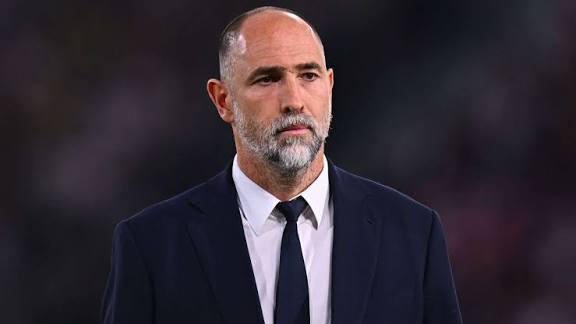
Igor Tudor has walked into Tottenham Hotspur with the club hovering above the relegation zone and made one thing immediately clear: there will be no hiding places and no playing for draws.
The Croatian coach, appointed until the end of the season after the dismissal of Thomas Frank, inherits a side sitting 16th in the Premier League and stripped of confidence after an eight-game winless run. Yet Tudor’s first message to players and supporters is rooted in urgency and ambition rather than fear.
“The first priority is to give everything the team needs in these moments,” he said in his first interview as Spurs head coach. “The team needs confidence, courage, and concrete things on the pitch. I am coming here knowing the situation is not easy. There is no time to find excuses.”
Tudor has built his reputation in Serie A as an intense, front-foot coach, delivering rapid turnarounds at both Lazio and Juventus. At Tottenham, he is demanding every player “give something more, something extra” to drag the club away from danger, insisting that simply recognising the seriousness of the situation is not enough.
His debut could hardly be more daunting: a north London derby at home to league leaders Arsenal. Tudor, though, refuses to temper his approach.
“This derby is a fantastic game to play. We want to play in a way our fans will like,” he said. “I am going to give everything in the right way – brave, but intelligent and smart – to achieve what we want, and that is the victory. I never saw a coach who said he can play for a draw. It is not possible.”
Tudor is known for favouring three at the back with wing-backs, but a lengthy injury list means he is prepared to adapt. “I like to be positive, to play offensive football, to score goals,” he explained. “But you need organisation in defence, a clear structure. We must find the best system for the players available.”
For Tudor, the transformation starts on the training ground. He talks of intensity, of teams running 115 kilometres rather than 105, but insists physical effort must be married to technical quality and tactical intelligence. Above all, he believes in a recognisable style.
“Style is more important than the system,” he said. “The coach must show the path. The players need to accept it. We have to find the best possible way to get out of this in a very short time.”