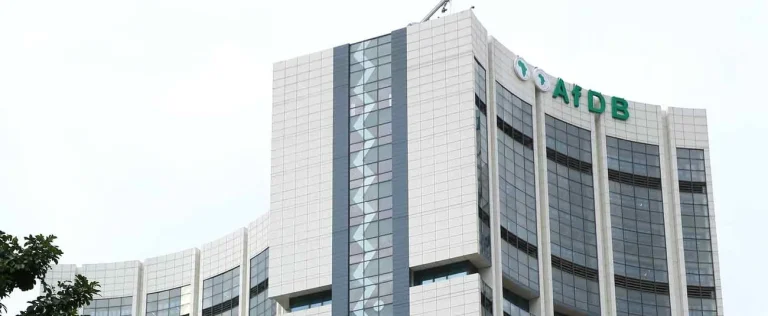
Africa could generate more than $469bn in additional revenue every year without increasing tax rates, the African Development Bank has said, arguing that the continent’s real opportunity lies in plugging leaks and modernising tax systems rather than burdening citizens with new levies.
Kevin Urama, the bank’s Chief Economist and Vice President for Economic Governance and Knowledge Management, said the potential windfall rests on reforms that make it easier to collect taxes already due, while rebuilding trust between governments and citizens.
Urama explained that many African countries lose vast sums through weak tax administration, loopholes, and poor enforcement. By embracing digital tools, harmonising procedures, and adopting global best practices, he said, governments could dramatically expand their fiscal space.
He pointed to digitalisation as a game changer: electronic tax filing, integrated databases, and real-time monitoring can reduce evasion, curb corruption, and cut the cost of compliance for both taxpayers and authorities. Stronger, more professional revenue agencies, he added, are essential to sustain these gains.
Yet technical fixes alone will not be enough. Urama noted that many Africans are reluctant to pay taxes because they see little return in the form of reliable electricity, clean water, quality schools, or decent roads. When citizens must privately fund services the state is expected to provide, willingness to comply with tax obligations erodes.
To reverse this, he argued, governments must improve service delivery, strengthen transparency, and demonstrate prudent management of public funds. Visible improvements in everyday life can reinforce the social contract, making voluntary compliance more likely and enforcement less contentious.
The AfDB is working with several countries, including Nigeria, to build capacity in national revenue authorities, support tax policy reforms, and promote data-driven administration. As part of this effort, the bank has developed a Public Service Delivery Index to help governments track performance, identify gaps, and benchmark progress.
According to Urama, the combination of better governance, smarter technology, and a renewed focus on citizens’ needs could unlock hundreds of billions of dollars annually. For a continent facing mounting development challenges and limited access to external finance, he said, domestic resource mobilisation offers the most sustainable path to funding growth and reducing poverty—without resorting to higher tax rates.