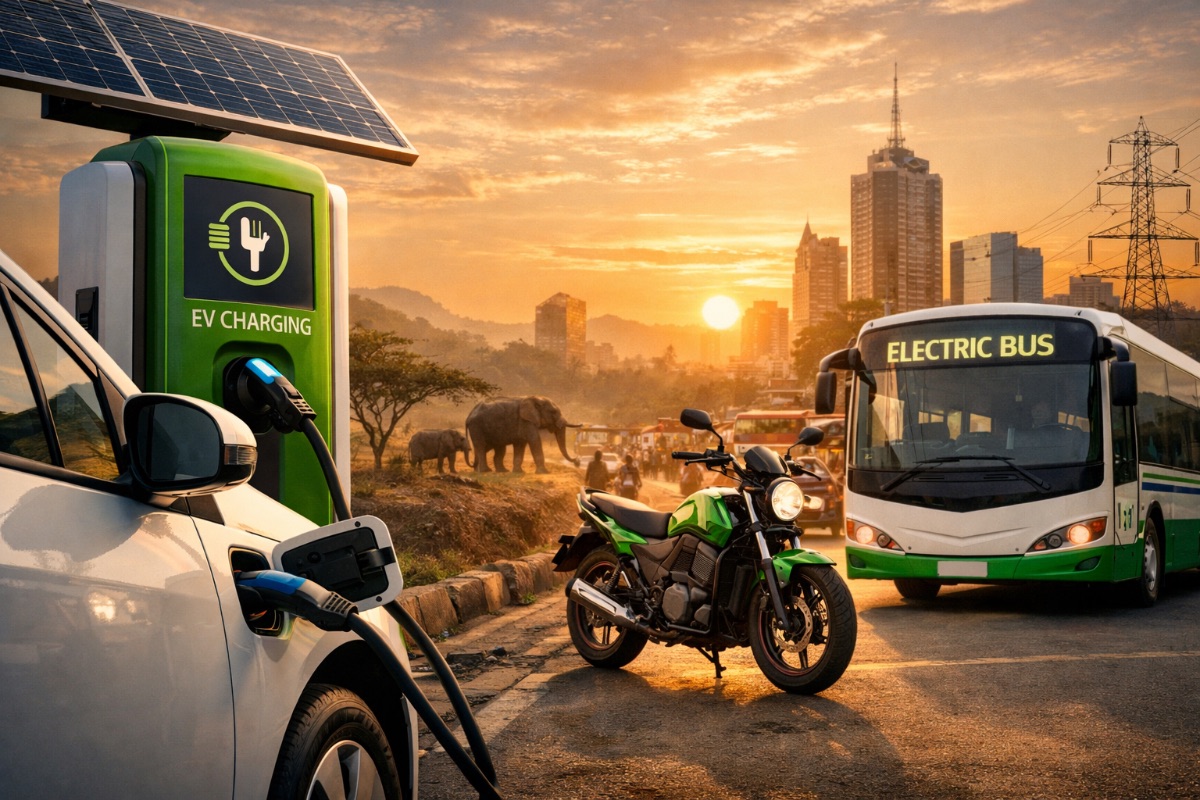
The global transportation industry is gradually shifting toward cleaner and more sustainable technologies. One of the most important developments in this transition is the growing use of electric vehicles (EVs). Electric vehicles are automobiles powered by electricity rather than traditional petrol or diesel engines. While this technology has already gained popularity in parts of Europe, Asia, and North America, African countries are also beginning to explore the benefits of electric mobility.
Electric vehicles operate using rechargeable batteries that power electric motors. Unlike conventional vehicles that burn fossil fuels, EVs produce little or no direct emissions. This makes them environmentally friendly and an important tool in the fight against climate change and air pollution. As cities continue to grow and traffic increases, the adoption of electric vehicles could play a significant role in improving air quality and reducing carbon emissions.
Globally, companies such as Tesla have helped popularize electric cars through innovation and large-scale production. Other automobile manufacturers, including Toyota and Volkswagen, have also invested heavily in electric vehicle technology. These developments have encouraged countries around the world to begin transitioning toward electric mobility.
In Africa, the adoption of electric vehicles is still at an early stage, but progress is gradually being made. Some African startups and technology companies are beginning to explore locally adapted electric transportation solutions. For example, companies such as Roam are working on electric motorcycles and buses designed specifically for African roads and transportation needs.
Electric motorcycles are particularly promising for Africa because motorcycles are widely used for transportation and delivery services in many countries. By replacing petrol-powered motorcycles with electric alternatives, cities could significantly reduce fuel consumption and air pollution. In addition, electric motorcycles can lower operating costs for riders because electricity is often cheaper than petrol.
Another factor driving interest in electric vehicles in Africa is the rising cost of fuel. Many African countries rely heavily on imported petroleum products, which can lead to fluctuating fuel prices. Electric vehicles offer an alternative that could reduce dependence on imported fuel while promoting the use of locally generated electricity.
Despite these potential benefits, several challenges still slow down the widespread adoption of electric vehicles across the continent. One of the major challenges is the lack of charging infrastructure. Electric vehicles require charging stations where drivers can recharge their batteries. In many African cities, such infrastructure is still limited or nonexistent, making it difficult for drivers to rely entirely on electric cars.
Another challenge is the high initial cost of electric vehicles. Although EVs may be cheaper to maintain over time, the upfront purchase price is often higher than that of conventional vehicles. This makes it difficult for many consumers to afford them, especially in developing economies.
Electricity supply is another concern. In countries where power supply is unstable, charging electric vehicles can become difficult. Improving electricity infrastructure will therefore be essential for the successful adoption of electric mobility in many African countries.
However, there are also encouraging developments. Governments and private companies are beginning to invest in renewable energy and clean transportation technologies. Solar-powered charging stations, for example, could help solve some of the electricity challenges associated with electric vehicle charging.
In addition, African entrepreneurs are beginning to design solutions that are better suited to local conditions. Instead of focusing only on electric cars, some innovators are developing electric buses, motorcycles, and three-wheel vehicles that are commonly used for public transportation.
If these efforts continue, electric vehicles could play an important role in Africa’s future transportation system. They have the potential to reduce pollution, lower fuel costs, and promote sustainable urban development.
In conclusion, the rise of electric vehicles represents an important technological development that could reshape transportation in Africa. Although challenges such as infrastructure, cost, and electricity supply still exist, growing innovation and investment suggest that the future of electric mobility on the continent is promising. As technology continues to improve and awareness increases, electric vehicles may become a common feature on African roads in the years to come.