REG NO :U25MM1006
MCOM 110
Stakeholders Divided as Cultural Advocates Push for Indigenious Fabric In National Service Scheme
By Fathiat Adewale
ABUJA, July 14, 2026 — A proposal to introduce Adire, Nigeria’s traditional hand-dyed fabric, into the National Youth Service Corps (NYSC) uniform has sparked nationwide debate, with Nigerians expressing mixed reactions over whether the iconic khaki uniform should be replaced or complemented by the indigenous textile.
Although the Federal Government and the NYSC management have not announced any official change to the corps uniform, discussions surrounding the proposal have dominated social media, fashion circles, cultural organisations and public discourse. While supporters describe the idea as a significant step toward promoting Nigeria’s cultural heritage, critics argue that the khaki uniform remains an enduring symbol of discipline, unity and national service.
The proposal is widely seen as part of broader efforts to encourage the use of locally made products and revive Nigeria’s textile industry. Advocates believe adopting Adire in one of the country’s largest national programmes would not only celebrate indigenous culture but also stimulate economic growth by creating more opportunities for local textile producers, artisans and fashion designers.
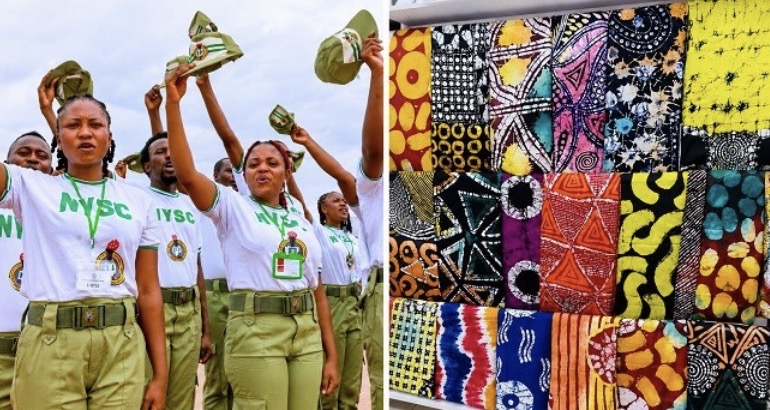
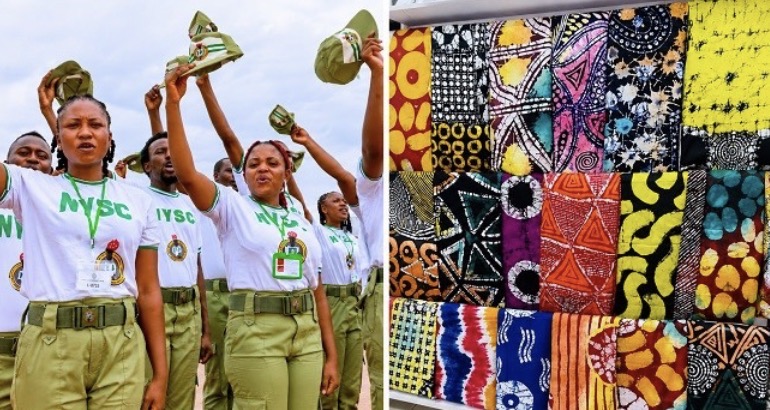
The National Youth Service Corps, established in 1973 following the Nigerian Civil War, was created to promote national integration, unity and reconciliation among young Nigerian graduates. Since then, the khaki uniform has become one of the most recognisable symbols of the scheme, worn by corps members during orientation camps, official assignments and community development projects.
Supporters of the proposal argue that introducing Adire into the NYSC dress code would project Nigeria’s cultural identity to the world. They note that Adire, which originated among the Yoruba people and is particularly associated with Abeokuta in Ogun State, has gained international recognition for its distinctive patterns, artistic value and traditional dyeing techniques.
According to cultural enthusiasts, the move would encourage young Nigerians to embrace indigenous fabrics while showcasing the country’s rich cultural diversity. They also believe it would strengthen national pride and preserve one of Nigeria’s most treasured cultural traditions.
Stakeholders in the fashion industry have equally welcomed the proposal, describing it as an opportunity to expand Nigeria’s creative economy. They argue that the annual production of uniforms for thousands of corps members would significantly increase demand for locally produced Adire, creating employment opportunities for textile makers, dyers, tailors, designers and other players within the value chain.
They further maintain that increased patronage of locally manufactured fabrics would support the Federal Government’s campaign for Made-in-Nigeria products and reduce dependence on imported textiles. Some analysts also believe the initiative could attract international attention to Nigeria’s fashion industry and strengthen the country’s position in the global creative market.
However, the proposal has received criticism from many Nigerians who believe the traditional khaki uniform should remain unchanged. Opponents argue that the khaki uniform represents over five decades of history and has become deeply associated with the values of discipline, patriotism, equality and national service.
Former corps members have expressed emotional attachment to the khaki uniform, describing it as a lasting reminder of their service year and the friendships, experiences and contributions they made while serving in different parts of the country. They argue that replacing such an iconic symbol could weaken the historical identity of the NYSC.
Some observers have also raised practical concerns regarding the proposal. They note that the current khaki uniform is specifically designed for physically demanding activities such as military drills, parade exercises, sporting competitions and community development projects conducted during orientation camps. Questions have also been raised about whether Adire fabric would offer the same durability, comfort and uniform appearance required for such activities.
In addition, experts have pointed to the financial and logistical implications of implementing the proposal nationwide. Producing millions of metres of quality Adire fabric annually would require significant investment, improved production capacity and strict quality control measures to ensure consistency across all NYSC batcheDespite the differing opinions, several stakeholders have suggested a compromise that would preserve both tradition and cultural innovation. Rather than replacing the khaki uniform entirely, they recommend incorporating Adire into ceremonial attire, graduation outfits, official blazers, scarves, caps or cultural day celebrations while retaining the khaki uniform for orientation camp activities and official duties.
Supporters of this approach believe it would preserve the historical identity of the NYSC while giving greater visibility to Nigeria’s indigenous textile industry. Targ