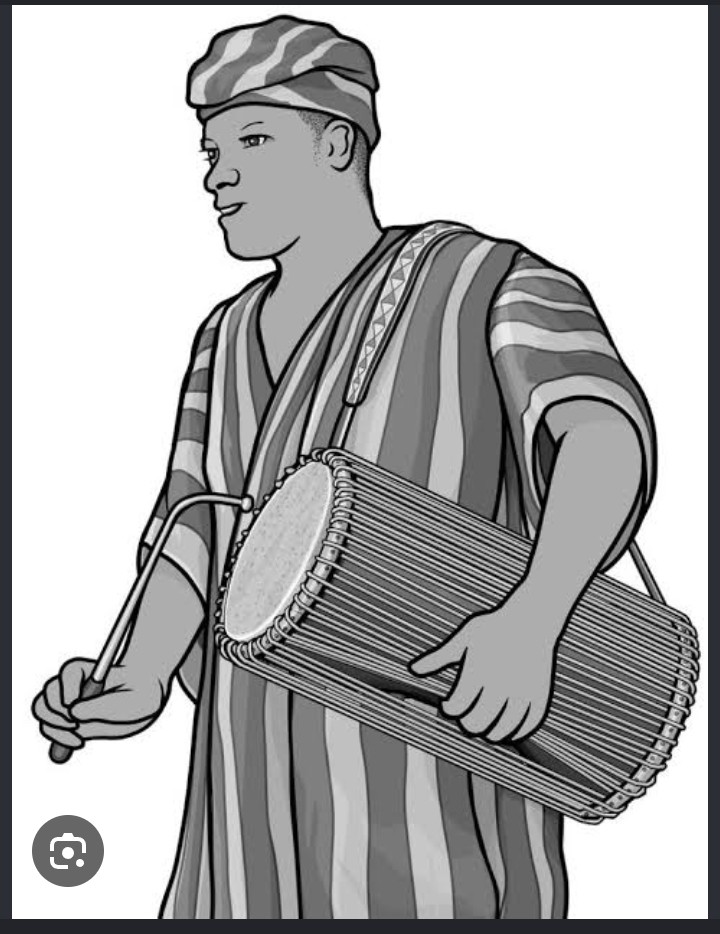
Major Forms of Traditional Media in Nigeria
Traditional media refers to the indigenous methods of communication that existed in Nigerian communities before the introduction of modern mass media such as newspapers, radio, television and the internet. Traditional media played an important role in passing information, educating members of society, preserving culture and maintaining social order. The major forms of traditional media in Nigeria include town criers, talking drums, traditional songs and music, dance, folk tales, proverbs, and symbolic objects/signals.
1. Town Criers
Town criers were important means of disseminating information in traditional Nigerian societies. A town crier moved around the community, usually with a bell, gong or other sound-producing object, to attract people's attention before making an announcement. They communicated information about community meetings, festivals, important decisions, emergencies and other events. Town criers helped ensure that information reached people who might not have had access to other forms of communication.
2. Talking Drums
Talking drums were widely used in many Nigerian communities to communicate messages over considerable distances. Skilled drummers could produce different rhythms and tones that members of the community understood. Drums were used during festivals, ceremonies, royal occasions and important announcements. They could also be used to summon people to meetings or alert communities to important events.
3. Traditional Songs and Music
Songs and traditional music served as effective methods of communication and entertainment. Through songs, people passed down historical events, cultural values, religious beliefs and moral lessons from one generation to another. Traditional musicians could also use songs to praise individuals, criticize unacceptable behaviour or comment on events in the community.
4. Dance
Traditional dance is another important form of indigenous communication. Different movements, gestures and performances can communicate cultural beliefs, historical stories and social messages. Dances are commonly performed during festivals, marriages, coronations and other community ceremonies. Dance also helps to preserve the cultural identity of different Nigerian communities.
5. Folk Tales
Folk tales are stories traditionally passed from one generation to another, mainly through oral communication. They are often told by elders to children and younger members of the community. Folk tales entertain listeners while teaching important lessons about honesty, respect, courage, hard work and responsible behaviour. They also preserve the history and cultural values of the people.
6. Proverbs and Oral Literature
Proverbs are short, wise expressions used to communicate ideas indirectly and effectively. Nigerian societies make extensive use of proverbs in everyday communication, particularly during discussions, ceremonies and conflict resolution. Oral literature, including riddles, chants and praise poetry, also helps to preserve the beliefs, experiences and wisdom of the people.
7. Symbolic Objects and Signals
Traditional societies also used objects, signs and signals to communicate specific messages. Objects such as leaves, pieces of cloth, carved symbols, smoke and other recognizable signs could convey information depending on the culture and situation. These methods were particularly useful when messages needed to be communicated without direct speech.
Conclusion
Traditional media have played a significant role in the development of communication in Nigeria. Before modern mass media became widespread, Nigerian communities relied on indigenous methods such as town criers, talking drums, songs, dance, folk tales, proverbs and symbolic signs to share information and preserve their culture. Although modern technology has changed the way people communicate today, many traditional forms of media remain relevant and are still used during festivals, ceremonies, community meetings and other cultural activities.