.jpeg?alt=media&token=9e38b38b-b24f-476b-8379-686f2d0689cb)
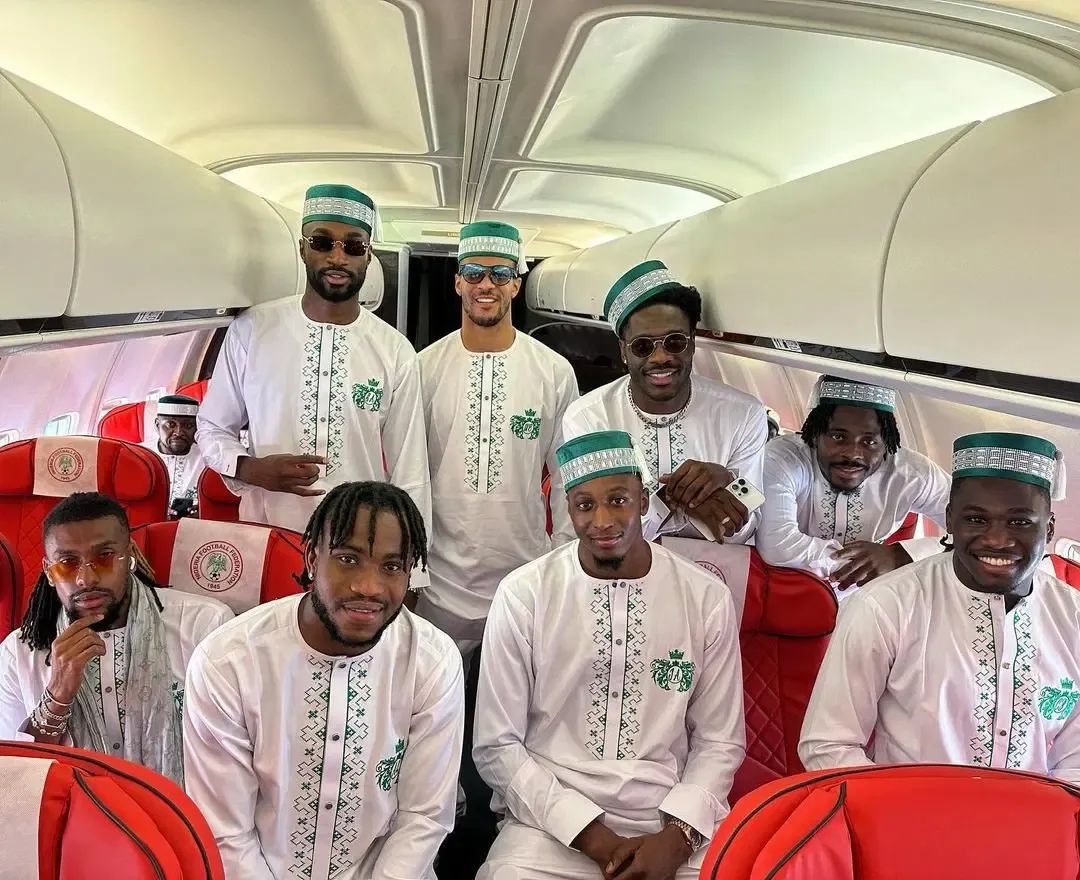
William Troost-Ekong’s career with the Nigerian national football team presents several notable data points and trends relevant to the evolution of the team’s identity and performance. Troost-Ekong, born in the Netherlands to a Nigerian father and Dutch mother, elected to represent Nigeria at the senior international level after representing the Netherlands in youth football. This decision aligns with a broader trend of players with dual nationality choosing to play for African countries.
Troost-Ekong achieved 83 international caps with Nigeria. He holds the record as the highest-scoring defender in Africa Cup of Nations (AFCON) history, with five goals. His contributions resulted in team outcomes that include silver and bronze medals at AFCON, and a bronze medal at the 2016 Olympics. He was named Most Valuable Player at AFCON, indicating recognition of his impact on the team’s performance.
His tenure coincided with a measurable increase in the presence of foreign-born or diaspora players in the Nigerian national team setup. The integration of such players has previously produced mixed responses from stakeholders, with debates around commitment and authenticity. Troost-Ekong’s consistent selection and regular participation across major tournaments suggest successful adaptation and acceptance within the team framework.
Troost-Ekong’s behavioral indicators included participation in team rituals (e.g., singing the national anthem) and reported leadership activities. He is noted for facilitating cohesion between domestically based players and those from the diaspora, a dynamic that has operational significance for team chemistry and performance.
His career was not without setbacks, including injuries and high-pressure situations linked to team results and his role as captain. Available statements point to a philosophy of merit-based selection and intrinsic motivation as guiding principles for his international career.
On-field, Troost-Ekong’s partnership with Leon Balogun, termed the “Oyibo Wall,” was associated with defensive stability during key tournaments. Specific performance metrics during the 2016 Olympics and subsequent AFCON editions reinforce the duo’s value to team outcomes, particularly in terms of goals conceded and match progression.
Troost-Ekong also assumed mentoring responsibilities for younger players, contributing to the ongoing transition in squad composition. His announced retirement is timed with a period of restructuring within Nigerian football, following failure to qualify for the FIFA World Cup. This creates a leadership void, with potential successors identified as Wilfred Ndidi, Alex Iwobi, and Moses Simon. Emerging talents such as Ryan Alebiosu may influence future team dynamics.
Post-retirement, Troost-Ekong remains active in community engagement and has indicated interest in football administration, referencing Michael Emenalo as a role model. His foundation activities align with broader trends of athlete involvement in social initiatives and talent pipeline development.
In summary, Troost-Ekong’s international career provides empirical evidence of the evolving definition of national identity within Nigerian football. His trajectory demonstrates that selection and leadership can be independent of player birthplace, provided commitment and performance are evident. For stakeholders evaluating team-building strategies, Troost-Ekong serves as a case study in effective diaspora integration and long-term influence on team culture.