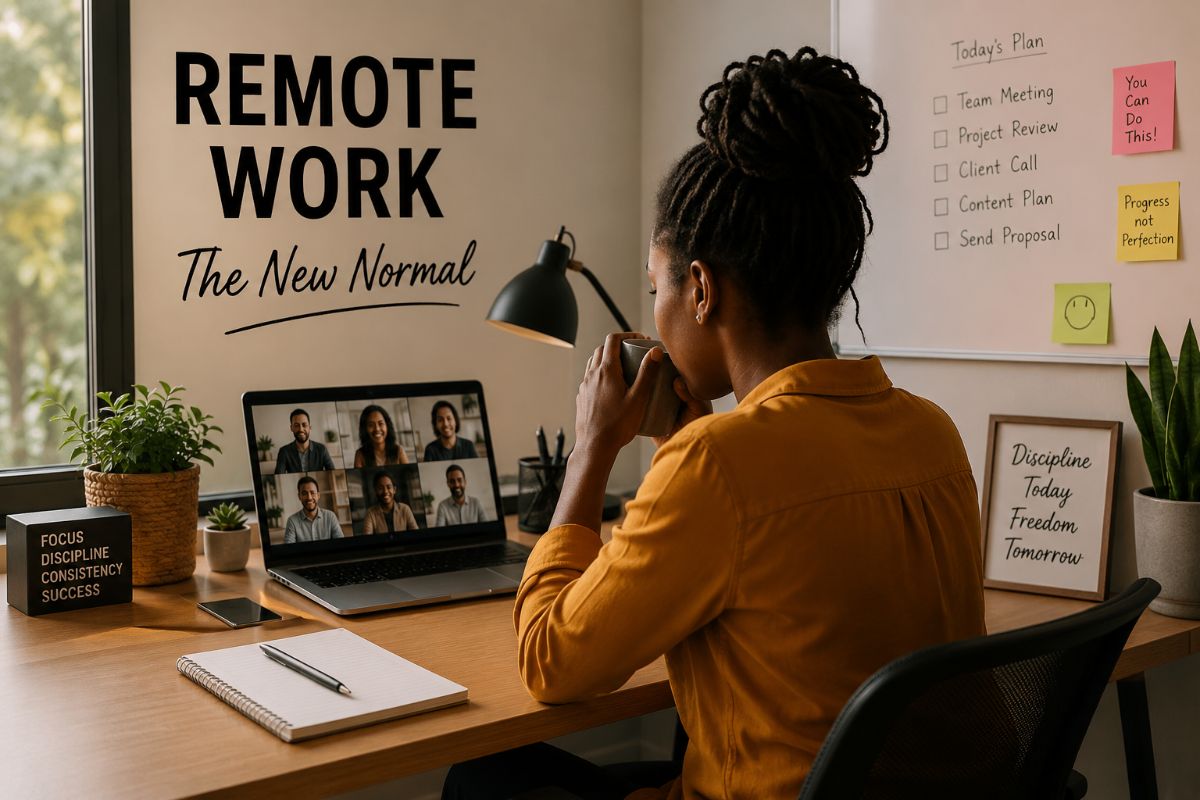
When offices around the world shut their doors during the COVID-19 pandemic, remote work quickly became the new normal. What many people thought would be temporary has now changed the way millions think about work. Years later, the question remains: Is remote work here to stay?
The answer isn't simply yes or no. Instead, workplaces are evolving into something more flexible than ever before.
For employees, remote work has brought undeniable benefits. Many people enjoy spending less time commuting, saving money on transportation, and having more freedom to organize their day. Parents can spend more time with their children, while others find they are more productive in a quiet home environment than in a busy office.
However, remote work has also revealed its challenges. Working from home can sometimes blur the line between professional and personal life. Without clear boundaries, employees may end up working longer hours than they would in an office. Feelings of isolation, reduced collaboration, and communication gaps are also common concerns.
Employers have learned valuable lessons too. Many organizations discovered that productivity isn't necessarily tied to employees sitting at a desk from 9 to 5. Trust, accountability, and clear communication often matter far more than physical presence.
At the same time, companies recognize that some tasks benefit from face-to-face collaboration. Brainstorming sessions, mentoring younger employees, and building workplace culture can be more effective when people meet in person.
This is why many businesses have adopted hybrid work models, allowing employees to split their time between home and the office. It combines flexibility with opportunities for collaboration.
Remote work has also shifted hiring practices. Companies can now recruit talented professionals from different cities and even different countries. Likewise, workers have access to opportunities that were previously unavailable because of location.
Looking ahead, remote work is unlikely to disappear. Instead, flexibility will become a key part of modern employment. Organizations that adapt thoughtfully will attract and retain talented employees, while workers who can communicate well, manage their time, and remain productive independently will continue to thrive.
The future of work isn't about choosing between home and the office. It's about creating workplaces where people can perform at their best, wherever they are.