The House of Representatives has approved a three-month extension for the implementation of the capital component of the 2025 Appropriation Act, shifting the deadline from June 30 to September 30, 2026. The move is intended to give the Federal Government more time to complete ongoing projects funded under the current budget.
The decision followed the accelerated passage of a bill titled “A Bill for an Act to Amend the Appropriation (Repeal and Enactment) Act, 2025 to extend the implementation of the capital aspect of the Appropriation Act, 2025 from 30 June 2026 to 30 September 2026 and for Related Matters.”
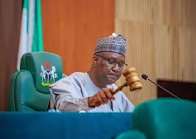
At an emergency session presided over by Speaker Tajudeen Abbas, lawmakers suspended relevant sections of their Standing Orders to take the bill through first, second and third readings in a single sitting.
Leading debate, House Leader Prof Julius Ihonvbere argued that the extension was necessary because many capital projects in the 2025 budget were still at various stages of execution. He warned that allowing the capital window to lapse in June would have “a very grave impact on the growth and development of the national economy.”
Ihonvbere stressed that the amendment did not alter spending figures or introduce new projects, but simply prolonged the validity of the capital expenditure provisions. He urged colleagues to support the measure to sustain ongoing infrastructure and development programmes.
Speaker Abbas backed the extension, noting that reports from the Appropriations Committee and other oversight bodies showed that implementation of the capital budget remained incomplete. He described the step as being in the national interest, enabling the executive to meet obligations already approved by the National Assembly.
After adoption at second reading, the House dissolved into the Committee of Supply, where members considered and approved the bill clause by clause, including its long title and explanatory memorandum. The committee’s report was later endorsed at plenary, and the bill was passed.
The extension grants Ministries, Departments and Agencies an additional quarter to award contracts, process payments and complete projects tied to the 2025 fiscal framework. It also underscores persistent structural problems in Nigeria’s budget cycle, including delayed procurement, revenue constraints and slow project execution, which routinely push capital implementation beyond initial timelines.
During the same sitting, the House announced changes to the leadership of several standing committees, moves the Speaker said were aimed at strengthening oversight and improving the performance of key sectors.