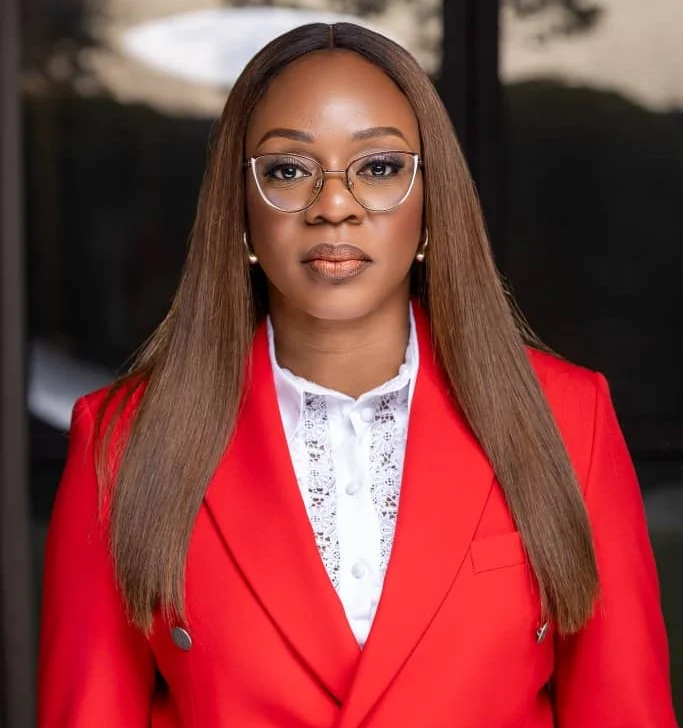
MultiChoice Nigeria has pulled a headline-grabbing move, unveiling insider executive Kemi Omotosho as its new CEO and drawing the curtain on the long reign of John Ugbe, who has dominated the pay-TV space for nearly 15 years.
The company is selling this as a smooth, carefully planned transition, but the timing raises big questions: can Omotosho keep Nigerians loyal to DStv and GOtv at a time when streaming platforms are eating into traditional TV and subscribers are loudly complaining about prices and value?
Ugbe exits after steering MultiChoice through years of regulatory battles, economic shocks, and public backlash over subscription hikes, all while expanding local content and sports offerings that kept millions glued to their screens. His era turned MultiChoice from a basic satellite broadcaster into a powerful entertainment machine that shaped what Nigerians watched and talked about.
Now, the spotlight is firmly on Omotosho, a career insider being packaged as the “consumer champion” who will supposedly fix everything from subscriber frustration to digital disruption. Her rise is being framed as proof that MultiChoice wants leaders who understand African markets from the inside, not just from glossy boardroom presentations.
Before this promotion, Omotosho was the behind-the-scenes architect of customer value strategies in Nigeria, tasked with keeping subscribers from walking away, squeezing more revenue out of existing customers, and trying to calm anger in an increasingly crowded and unforgiving pay-TV market.
Her performance in that role earned her a bigger continental brief as Group Executive Head of Customer Value Management for the Rest of Africa, where she was charged with aligning customer strategies across multiple countries and using data to track what viewers actually watch, when they cancel, and what might keep them hooked.
Most recently, she ran operations in seven Southern African countries as Regional Director, sitting at the centre of MultiChoice’s fight to hold on to its dominance while Netflix, Amazon, and other streaming rivals circled. That experience is now being hyped as the secret weapon she will bring back home to Nigeria.
In her first public comments, Omotosho played to the script, calling Nigeria one of MultiChoice’s most important markets and promising to deepen ties with viewers and partners. The message is clear: she wants to be seen as the CEO who listens, not just the one who bills.
Her pledge to champion local storytelling and build a “future-ready” organisation sounds good on paper, but it also exposes the pressure MultiChoice is under. Younger, digital-first Nigerians are demanding flexible subscriptions, cheaper options, and seamless streaming, not just more channels on a decoder.
Under Ugbe, MultiChoice poured money into Nollywood and local TV, turning Africa Magic and other channels into cultural powerhouses and exporting Nigerian stories across the continent. The company also locked down premium sports rights, especially football, to keep subscribers hooked even when they grumbled about rising costs.
But that success came with constant controversy: accusations of price gouging, regulatory probes, and a perception that MultiChoice was too powerful and too comfortable. Ugbe’s defenders call his tenure transformational; critics say the company only adapted when competition forced its hand.
Now MultiChoice is insisting that Ugbe’s retirement and Omotosho’s appointment are part of a neat, structured handover designed to calm investors, regulators, and customers. The message: nothing is broken, everything is under control, and the strategy will continue.
Industry watchers, however, are reading more into Omotosho’s background. Her entire career has been built around one thing: keeping customers from leaving. In a world where viewers can cancel with a click and jump to a rival app, her job is not just to attract subscribers, but to stop the bleeding.
Expect more data-driven decisions under her watch. MultiChoice will likely double down on tracking viewing habits, testing new pricing models, and pushing tighter integration between DStv, GOtv, and its streaming platforms, while leaning on telecom partnerships to make access look more affordable, even if the total spend stays high.
Omotosho is also being positioned as a champion of Nigeria’s creative economy, with MultiChoice eager to remind everyone of its role in funding local productions and giving filmmakers, actors, and producers a platform. Her promise to back local storytelling signals that the company knows it cannot win the content war by relying on foreign shows alone.
Beyond business, her appointment is being loudly celebrated as another win for women in top corporate roles in Nigeria’s media and tech sectors. In an industry still dominated by men at the highest levels, her rise is being used as a symbol of progress, even as many will watch closely to see whether this translates into real change for women inside the company.
Omotosho steps into the hot seat at a volatile moment. Nigeria’s young population is hungry for content, internet access is expanding, and entertainment remains a national obsession. But households are under economic pressure, piracy is rampant, regulators are restless, and global streaming giants are circling aggressively.
The Ugbe-to-Omotosho handover is being sold as a new chapter, not a reset. MultiChoice is betting that a CEO who has spent years studying customer behaviour can keep Nigerians paying, watching, and talking about its platforms. The real test will be whether viewers feel any difference beyond the press releases and polished promises.