By Ibidapo Olabisi/300level Mass Communication UNILAG
Why Digital Skills Matter in the Web3 Era
Introduction
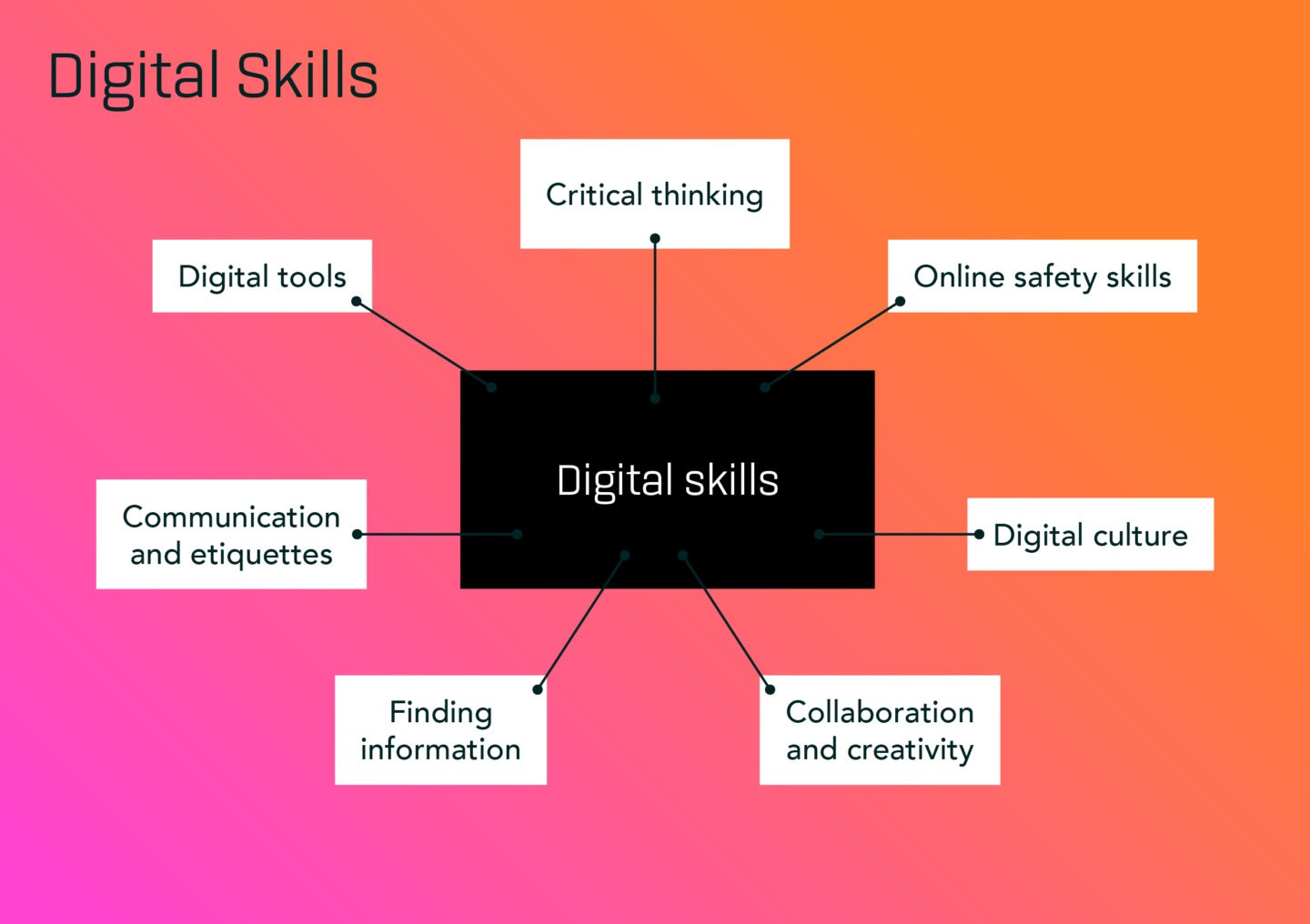
The job market is constantly evolving, and the skills that were enough five years ago are changing. As the internet moves toward Web3, a new set of digital skills is becoming essential for students. This isn't just about learning how to code; it is about understanding how to navigate a world where digital identity and online collaboration work differently than they used to.
Modern Literacy: Crypto and Wallets
Being literate in the Web3 era starts with understanding how to handle a digital wallet. Just as we learned how to use email or manage a bank account, knowing how to securely manage a digital identity is a vital skill. This includes understanding how to protect your private keys and how to move digital assets between different platforms safely. It is a practical skill that goes beyond just "knowing about tech" and moves into "knowing how to function" in the new economy.
Creating and Managing Digital Identity
In the past, your digital identity was spread across different social media accounts. In the Web3 era, you can have a single digital identity that you own. Students can use this to build digital portfolios that are verified on the blockchain. This means when you claim you completed a course or won an award, there is a permanent, unchangeable record of it. Managing this identity requires a mix of technical awareness and a focus on online privacy.
Online Collaboration and Communities
Participating in online communities is no longer just about chatting. Many Web3 projects are run by groups of people who collaborate online to make decisions together. Learning how to contribute to these communities, vote on proposals, and work with people from all over the world is a major professional advantage. These soft skills, like digital communication and online teamwork, are becoming just as important as the technical ones.
Practical Content Creation
Web3 is opening new doors for creators. Whether you are interested in art, writing, or music, understanding how to publish your work in a way that preserves your ownership is a game changer. Students who learn how to create digital content for decentralized platforms are essentially learning how to be their own publishers and distributors.
Conclusion
Digital skills in the Web3 era are about more than just technology. They are about independence and the ability to navigate a more transparent digital world. By focusing on these practical skills now, students can build a foundation that makes them more adaptable and prepared for the future of work, regardless of what career path they choose