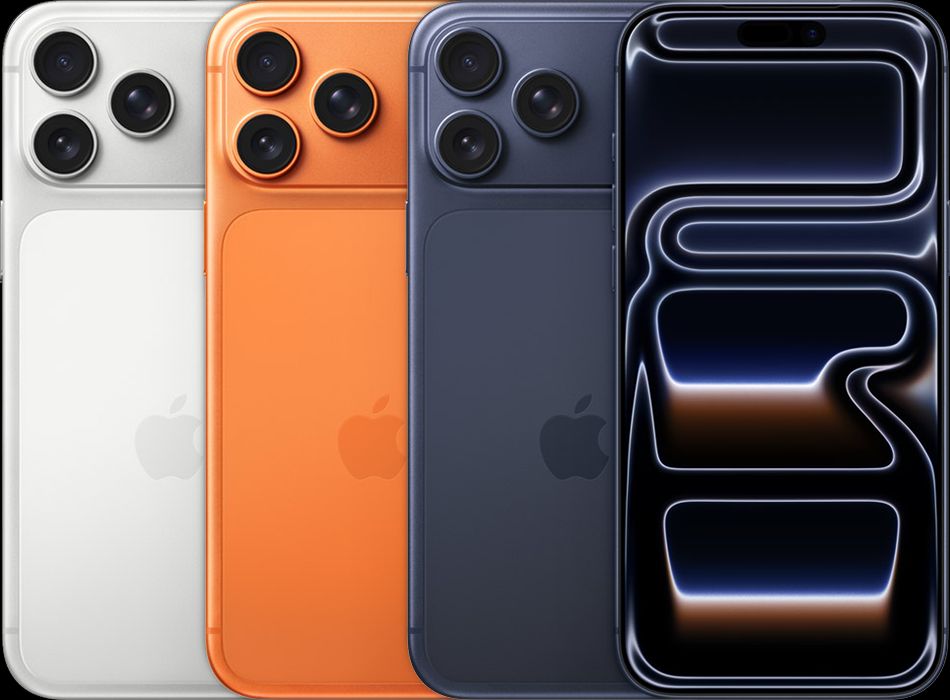
The iPhone is consistently priced higher than many competing smartphones. This pricing is the result of several quantifiable and strategic factors, including engineering choices, brand positioning, ecosystem integration, and consumer behavior.
From a technical perspective, iPhones often have lower hardware specifications compared to some Android devices, such as fewer CPU cores, less RAM, and smaller batteries. However, Apple’s custom-designed chips and the efficiency of the iOS operating system allow for optimized performance. iOS uses reference counting for memory management, which differs from the garbage collection approach used by many competitors. This results in efficient resource utilization and smooth device operation, even with less powerful hardware.
In terms of camera performance, Apple invests in proprietary image processing and hardware-software integration. While some competitors offer higher-resolution sensors, Apple’s approach often yields superior image quality due to advanced processing algorithms and system-level optimization.
Battery life is another area where Apple’s integrated approach is evident. The company profiles both hardware and software to maximize efficiency, enabling competitive battery performance despite smaller battery capacities. This is achieved through close coordination between silicon design and software development.
Brand loyalty and perception are significant contributors to Apple’s pricing strategy. Historical examples, such as the iPhone 5c and iPhone 14, demonstrate that consumers are willing to pay premium prices for Apple products, even when hardware changes are minimal. This suggests that perceived value and brand association are key drivers of purchasing decisions, independent of technical superiority.
The Apple ecosystem further reinforces the company’s pricing power. Features such as iCloud, Handoff, and AirDrop facilitate seamless integration across devices, increasing user retention and perceived value. Long-term software support and consistent performance also contribute to the justification for higher prices.
Apple’s investment in research and development, marketing, and user experience design is reflected in the final product. The company positions the iPhone as a complete, integrated solution rather than a collection of hardware components. This approach differentiates Apple from competitors who may focus primarily on technical specifications.
Brand strategy is a deliberate aspect of Apple’s business model. The company positions itself as a premium or luxury brand, enabling higher profit margins per device. This is supported by market data indicating that Apple’s brand cachet and profitability exceed those of many competitors, such as Google’s Pixel line.
Financially, the iPhone is central to Apple’s revenue, accounting for approximately 60% of the company’s income. Per-unit profit estimates range from $800 to $1,000. Despite incremental hardware updates in recent product cycles, Apple has maintained or increased pricing without significant loss of market share, indicating strong brand loyalty and effective pricing strategy.
Apple’s design philosophy prioritizes user experience and ecosystem cohesion over feature proliferation. The company’s founders emphasized intuitive design and consistent performance, which extends to services like iCloud, Siri, and Apple Pay. This approach increases user retention and further justifies premium pricing.
In conclusion, the high price of the iPhone is attributable to a combination of engineering efficiency, ecosystem integration, brand strategy, and user experience focus. Market data and consumer behavior indicate that these factors collectively sustain demand at premium price points. The iPhone’s pricing reflects Apple’s broader business strategy and market positioning, rather than solely the cost of hardware components.