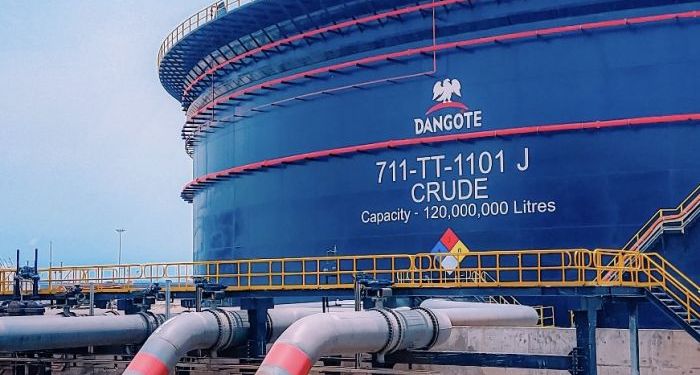
The Dangote Petroleum Refinery has slashed the ex-depot price of petrol from N828 to N699 per litre, sending shockwaves through Nigeria’s fuel market. The country’s largest private refinery is once again making headlines, positioning itself as the supposed savior of motorists and businesses struggling with soaring energy costs.
According to data from Petroleumprice.ng, this N129 per litre cut,about 15.58 percent,has been touted as a game-changer. Media outlets are already hailing the move as a “major development,” with expectations running high that this will magically ease the financial burden on millions. But is it really that simple?
While an unnamed Dangote official confirmed the price drop, the company is quick to frame this as a bold, consumer-friendly gesture. “The refinery has reduced petrol gantry price to N699 per litre,” the official said, as if this alone will fix the country’s fuel woes. The narrative is clear: Dangote is painting itself as the hero, responding to “market pressures” and “stabilizing” prices.
This is the 20th price adjustment by Dangote this year alone, a fact the company spins as proof of its “responsiveness.” Chairman Aliko Dangote, fresh from a closed-door meeting with President Bola Tinubu, is making big promises about keeping prices “reasonable and competitive.” He blames smuggling and global volatility for past price hikes, but assures Nigerians that things are finally looking up,thanks, of course, to his refinery.
Dangote claims that increased local competition and higher refinery output are driving prices down. “Prices are going down. The reason why prices have to go down is that we have to also compete with imports,” he said, while admitting that smuggling is still a problem because Nigerian petrol is much cheaper than in neighboring countries. But is this really a sustainable solution, or just another temporary fix?
Dangote insists that his $20 billion investment is for the long haul, not a quick profit grab. “We are not here to make our $20 billion back quickly; it’s a long-term investment,” he said, as if that should reassure the public.
Other private depots scrambled to follow Dangote’s lead, with minor price cuts ranging from N3 to N15 per litre. The media is quick to report these as signs of a market-wide shift, but the reality is that most depots barely budged. Still, the narrative persists: Dangote sets the pace, and everyone else follows.
Industry “analysts” are already speculating that this aggressive pricing could curb inflation and stabilize the sector. The story being sold is that Dangote’s move will undercut smugglers and keep more fuel in Nigeria, supposedly benefiting everyone.