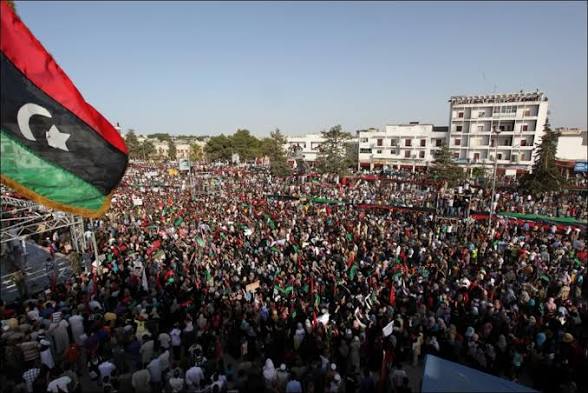
Fifteen years after the fall of Muammar Gaddafi, Libya remains a country split between rival authorities, competing militias and overlapping foreign interests. The uprising that toppled the long-time ruler promised democracy and stability. Instead, Libyans live with a fractured state, intermittent violence and a political process that has repeatedly stalled.
Power is effectively divided between two main centres. In the west, the internationally recognised Government of National Unity sits in Tripoli, backed by an array of militias and supported at various times by Turkey and other allies. In the east, a rival administration aligned with Field Marshal Khalifa Haftar dominates, underpinned by the self-styled Libyan National Army and supported by foreign backers including, at different stages, Russia, Egypt and the United Arab Emirates.
Recent incidents underscore how fragile the landscape remains. The assassination of General al-Mansouri, an intelligence figure close to Haftar, exposed rifts and rivalries within the eastern camp. In the west, drone strikes on energy facilities around Zawiya highlighted both the strategic importance of Libya’s oil infrastructure and the ease with which it can be dragged into political score‑settling.
Efforts to reunify the country through elections have repeatedly faltered. A nationwide vote that was meant to cap a United Nations-backed transition never materialised, as disputes over electoral laws, candidate eligibility and security arrangements deepened mistrust. Each delay has allowed entrenched elites, armed groups and economic networks to consolidate their positions.
Libya’s oil wealth lies at the heart of this stalemate. Most production is located in the east and south, in areas under Haftar’s influence, while the National Oil Corporation and the Central Bank, which manage and distribute revenues, are based in Tripoli. This forced interdependence has created a paradox: bitter political rivals rely on a shared economic lifeline, using oil income to pay salaries, fund patronage networks and maintain a fragile calm, even as they resist genuine power‑sharing.
For many Libyans, the result is a grinding status quo. Basic services are unreliable, corruption is widespread and young people face unemployment and emigration as their main prospects. The aspirations that animated the 2011 revolution – accountable government, rule of law and a unified state – remain distant, overshadowed by a conflict that has never fully ended, only shifted shape.