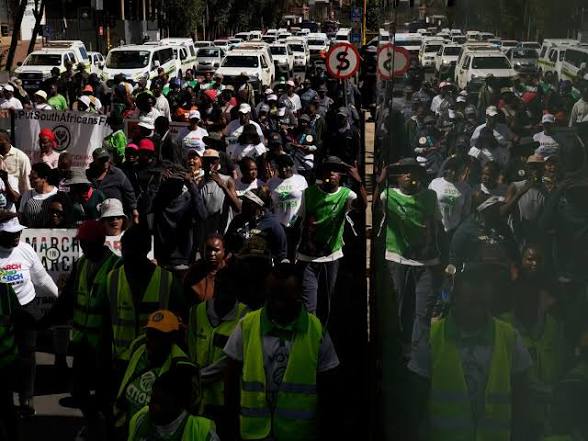
South African authorities are scrambling to defuse mounting tensions as citizen-led groups prepare nationwide anti-immigration marches that many fear could trigger a new wave of xenophobic violence.
Government officials, religious leaders, and civil society organizations have launched urgent campaigns calling for calm, while police and army units are being deployed to potential flashpoints in major cities and border towns. Community meetings are being held in informal settlements and townships where foreign nationals have previously been targeted, with mediators urging residents not to heed calls for vigilante action.
More than 15,000 Malawian nationals have already been processed to leave the country, with thousands more waiting in temporary camps as authorities work to repatriate foreign nationals before an unofficial June 30 deadline set by citizen-led groups. At the Beitbridge border crossing alone, over 8,200 foreign nationals were repatriated in less than two weeks, including nearly 6,700 Malawians, underscoring the scale of the exodus.
The planned marches, framed by organizers as a protest against undocumented migration and job losses, have sparked fears of renewed attacks on African migrants and refugees. Weeks of unrest in some townships have already left several people dead and dozens of shops looted or burned, according to local rights monitors.
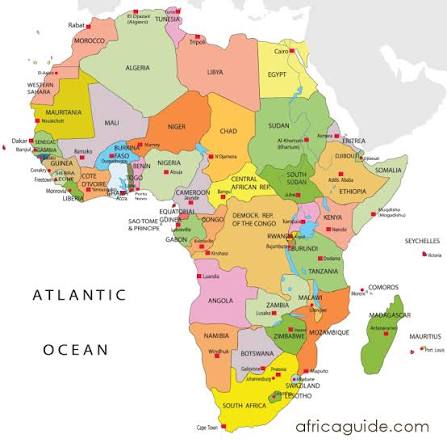
Neighboring countries including Malawi, Zimbabwe, Mozambique, Nigeria, Ghana, Kenya, and the Democratic Republic of Congo are coordinating with Pretoria to help their citizens return home voluntarily. Buses and chartered vehicles have been arranged to move people from makeshift shelters, churches, and police stations to border posts, where consular staff are processing emergency travel documents.
South African officials have condemned vigilante-style actions, warning that civilians cannot enforce immigration laws and that any attacks on foreign nationals will be met with firm legal consequences. Senior ministers have repeatedly stressed that frustrations over unemployment, crime, and poor services must not be directed at migrants.
The tensions come just months before local government elections, heightening concerns that anti-immigrant rhetoric is being used to mobilize support in impoverished communities. The atmosphere has revived painful memories of the deadly 2008 xenophobic attacks that claimed 62 lives and displaced tens of thousands of people across the country.
With marches set for June 30, security forces remain on high alert. Human rights groups warn that unless authorities tackle the underlying drivers of anger and inequality, South Africa could be entering another volatile chapter in its struggle to coexist with migrants from across the continent.