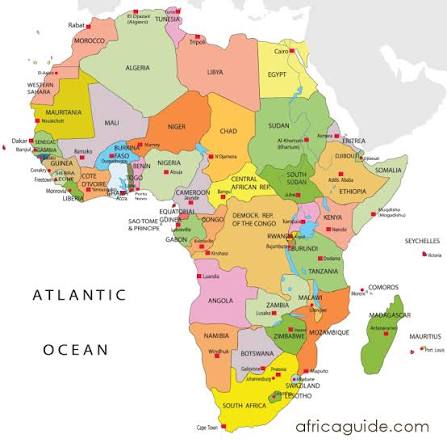
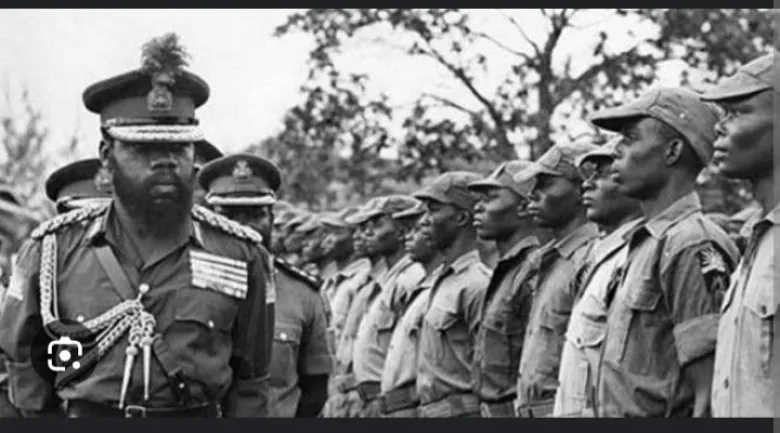
In the late 1960s, Nigeria was a young nation struggling with deep ethnic and political divisions. These tensions culminated in the secession of the southeastern region, which declared itself the independent Republic of Biafra on May 30, 1967. Led by Colonel Odumegwu Ojukwu, Biafra was predominantly inhabited by the Igbo people who felt marginalized in the larger Nigerian political landscape.
The declaration of independence triggered a brutal civil war. The Nigerian government, determined to preserve the unity of the country, launched a military campaign to reclaim the secessionist region. The conflict, which lasted from 1967 to 1970, resulted in significant loss of life and suffering. Over a million people, many of them civilians, perished due to the fighting, famine, and disease.
The war ended on January 15, 1970, when Biafra surrendered to Nigeria. The aftermath of the conflict left deep scars but also taught important lessons about unity, diversity, and the importance of addressing grievances through dialogue rather than conflict.
Today, the history of Biafra serves as a poignant reminder of the need for national cohesion and the importance of addressing ethnic and political differences with understanding and compassion. It underscores the value of peace and the dire consequences of division, urging current and future generations to strive for a united and inclusive Nigeria. War should never be an option nor a solution.
2