Oil prices surged above $100 a barrel and global stock markets slumped after Iran’s new supreme leader threatened to shut the Strait of Hormuz and open fresh fronts in its confrontation with the United States and Israel.
The warning has intensified fears that a conflict already grinding into its third week could morph into a prolonged energy shock, stoking inflation and tipping fragile economies toward recession. The Strait of Hormuz, a narrow chokepoint at the mouth of the Gulf, handles roughly a fifth of the world’s oil and gas shipments. Any sustained disruption there would rank among the most severe supply shocks in modern history.
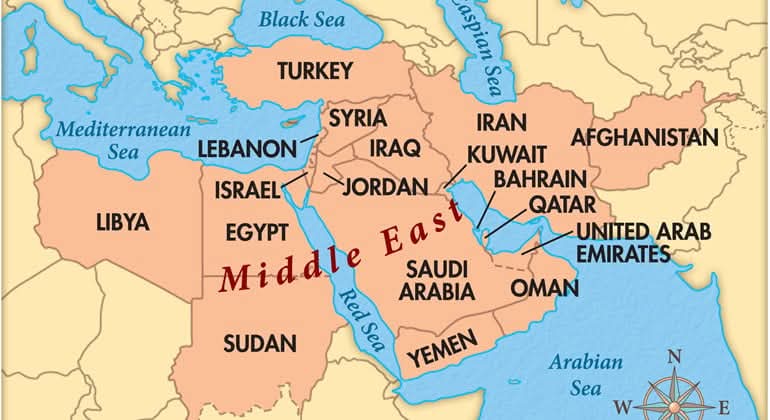
Tehran has already escalated tensions with a series of strikes on energy infrastructure across the region. Ships have been damaged near Iraq, fuel storage tanks hit in Bahrain, and drones launched at oil fields in Saudi Arabia. Iranian officials have vowed to “set the region’s oil and gas on fire” if their own facilities come under attack.
In his first public message since assuming power, Ayatollah Mojtaba Khamenei declared that the “lever of blocking the Strait of Hormuz must definitely be used,” according to a statement read on state television. He added that Iran had studied “opening other fronts where the enemy has little experience and would be highly vulnerable,” hinting at asymmetric attacks beyond the Gulf if the war drags on.
Brent crude jumped more than nine percent in a single session to break the $100 mark for the first time since Russia’s invasion of Ukraine, leaving it about 40 percent higher since the latest Middle East conflict erupted. Analysts said even the unprecedented release of 400 million barrels from International Energy Agency emergency reserves had barely dented prices, underscoring the market’s anxiety.
The IEA has described the turmoil as the largest supply disruption the global oil market has ever faced. Traders are now betting on a longer, more volatile crisis, with derivatives pricing in elevated energy costs for months ahead.
Equity markets from Tokyo and Hong Kong to Shanghai, Singapore and Mumbai fell as investors fled risk assets. Import-dependent Asian economies are seen as particularly exposed to a sustained spike in crude prices. Safe-haven flows buoyed the dollar, while expectations hardened that central banks will be forced to keep interest rates higher for longer to contain renewed inflation pressures.
Market strategists warn that as long as the Strait of Hormuz remains effectively constrained and diplomacy stalls, investors should brace for weaker stocks, higher oil and a sharp deterioration in risk appetite.