Nigerian Afrobeats is more than just a music genre it’s a cultural force that has carried the voice, energy, and identity of modern Africa onto the global stage.
Rooted in a fusion of traditional African rhythms, highlife, hip-hop, dancehall, and R&B, Afrobeats represents the sound of a generation that is bold, expressive, and unapologetically African.
The modern Afrobeats movement evolved from the legacy of Fela Kuti, whose original “Afrobeat” (without the “s”) blended jazz, funk, and political activism.
While today’s Afrobeats is more commercially driven and globally accessible, it still carries that spirit of storytelling, rhythm, and cultural pride.
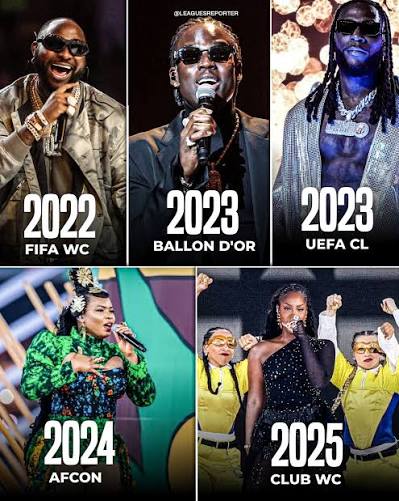
Artists like Wizkid, Davido, and Burna Boy have transformed the genre into an international phenomenon. Their music fills stadiums from Lagos to London, New York to Paris, proving that African sound is not just influential—it is dominant. Burna Boy’s Grammy win and Wizkid’s global collaborations have further cemented Afrobeats as a key player in the global music industry.
What makes Afrobeats unique is its versatility. Whether it’s a love song, a party anthem, or a reflective track about hustle and survival, the genre adapts effortlessly. The beats are infectious, the melodies are memorable, and the language—often a mix of English, Pidgin, and local dialects makes it relatable to both local and international audiences.
Beyond music, Afrobeats has influenced fashion, dance, and even language. From viral dance challenges on platforms like TikTok to global festivals celebrating African culture, Afrobeats has become a lifestyle. It represents youth culture, creativity, and the resilience of Nigerians who continue to shape global trends despite challenges at home.
In essence, Nigerian Afrobeats is not just sound—it is movement, identity, and power. It tells the story of a people who refuse to be ignored, turning rhythm into a universal language that the world cannot help but dance to.