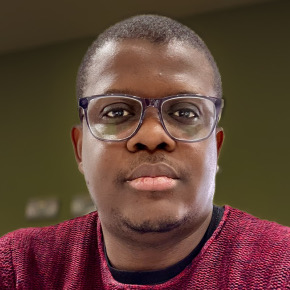
The Scholar-Journalist: A Profile of Paul Adepoju
Introduction: The Intersection of Evidence and Narrative
In the evolving landscape of African media, few figures occupy as distinct a niche as Paul Adepoju. While the broader "tech ecosystem" coverage in Nigeria is often dominated by stories of fintech valuations and startup funding, Adepoju has carved out a critical space at the intersection of hard science, public health, and technology. He represents a rare archetype in modern journalism: the "scholar-journalist." By combining the rigorous analytical framework of an active academic with the narrative accessibility of a reporter, Adepoju has become one of the continent's most authoritative voices on health-tech innovation, disease surveillance, and scientific policy.
The Academic Foundation
What sets Adepoju apart from his peers is his dual professional identity. He is not merely a journalist covering science; he is a scientist who practices journalism. Currently a doctoral candidate in Cell Biology and Genetics at the University of Ibadan, Nigeria’s premier tertiary institution, he possesses a technical literacy that allows him to interrogate data rather than simply repeat it. His background includes training in medical laboratory science and serving as a lecturer in genetics and histopathology at Babcock University. This academic grounding serves as a quality control mechanism for his reporting, enabling him to deconstruct complex studies for global audiences in outlets such as The Lancet, Nature Medicine, and the British Medical Journal (BMJ).
Philosophy: Science as Solution Journalism
Adepoju’s reporting philosophy is rooted in the belief that "science journalism is solution journalism." He frequently argues that science stories should not be relegated to the back pages of academic journals but should instead occupy the front pages of mainstream media because they directly impact human survival. This approach was particularly evident during the COVID-19 pandemic. While many outlets focused on panic or politics, Adepoju leveraged his role as Community Manager for the International Center for Journalists (ICFJ) to lead the Global Health Crisis Reporting Forum. Through this platform, he coordinated a network of thousands of journalists across 134 countries, providing them with the tools to combat the "infodemic" of misinformation and report accurately on vaccine science.
Reporting from the Frontlines
His portfolio reflects a commitment to covering underreported health crises with nuance. Adepoju has produced critical work on the "forgotten" epidemics that plague the continent, such as Lassa fever and malaria. His recent writings have probed why effective newborn malaria treatments are delayed in reaching African clinics and why outbreak warnings on the continent often arrive too late to be effective. Unlike generalist reporters, he frequently bypasses surface-level press releases to interview virologists, epidemiologists, and policymakers directly, translating high-level policy debates into actionable information for the public. His work on the "black market" for abortion services and the genomic surveillance of viral outbreaks showcases his willingness to tackle sensitive, data-heavy subjects.
Beyond the Lab: Technology and Policy
While his foundation is in biology, Adepoju is equally prolific in the technology sector, reporting for platforms like Quartz, CNN, and TechCity. However, his tech coverage differs significantly from the standard industry beat. He focuses less on consumer gadgets and more on the utility of technology in solving structural problems. His reporting covers the rise of African genomic startups like 54gene, the use of drone logistics for blood delivery, and the regulatory hurdles facing telemedicine in low-resource settings. He has also been a critical voice on digital policy, writing on how government regulations, such as changes to "Right of Way" charges, impact the expansion of telecommunications infrastructure, which is the backbone of Nigeria's digital health economy.
Conclusion
Paul Adepoju stands as a definitive "finding" for any inquiry into science and technology reporting in Nigeria because he bridges the gap between the laboratory and the living room. He has successfully professionalized science communication in West Africa, moving it from a niche interest to a central pillar of public discourse. Through his platform, HealthNews.NG, and his global advocacy with the ICFJ, he has not only documented the progress of African science but has actively shaped the standards by which it is reported.