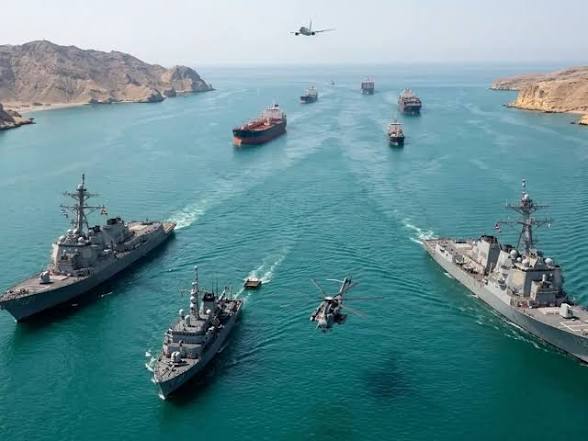
In a dramatic new twist to Gulf tensions, Iran is openly warning ships that they must deal with Tehran if they want to pass safely through the Strait of Hormuz, just as the United States rolls out its own high-profile plan to “guide” stranded vessels through the same waters.
Iran’s foreign ministry spokesman Esmail Baghaei bluntly declared that shipowners “know well” they should coordinate with Iranian authorities for their own security, doubling down on Tehran’s claim that it is the key gatekeeper of this critical chokepoint. The message is clear: if you sail near Iran, you answer to Iran.
Washington, however, is pushing a rival narrative. Under a flashy new initiative branded “Project Freedom,” US forces and their partners are stepping in to escort or reroute ships that have been stuck or forced to avoid the strait amid rising regional tensions and recent clashes. The US is effectively telling the world: we, not Iran, will keep your oil and cargo moving.
To reinforce that message, the Joint Maritime Information Center has announced an “enhanced security area” south of the usual shipping lanes, urging captains to work with Omani authorities as traffic is squeezed into narrower, heavily monitored corridors. Oman, caught between Iran and the US, is once again playing the careful middleman while both sides jostle for influence over its waters.
At the same time, mariners are being told that sticking to the traditional traffic separation scheme could now be “extremely hazardous” because of naval mines that have not been fully mapped or cleared. The implication is alarming: one of the world’s most vital sea lanes is being described as a potential minefield, both literally and politically.
Iran’s military command, speaking through state media, has doubled down, insisting that any ship entering or leaving the Gulf must coordinate directly with Iranian forces. The result is a confusing and dangerous tug-of-war at sea, with Tehran and Washington issuing competing instructions and each claiming to be the real guarantor of safety.
For shipmasters and commercial operators, the situation has become a high-stakes gamble. Do they follow Iran’s orders and risk angering the US, or side with Washington’s “Project Freedom” and risk provoking Tehran? Every route choice now looks like a political statement, and every voyage through the Strait of Hormuz risks becoming the next flashpoint in a growing power struggle over who truly controls this crucial maritime lifeline.