New York Fashion Week commenced with a dense schedule of preview events, parties, and early headline shows from designers including Marc Jacobs and Ralph Lauren. As the official calendar progressed, editors from Who What Wear moved frequently across Manhattan, using multiple modes of transportation and making rapid outfit changes to accommodate the pace of the week.
The primary focus was the fall 2026 collections. At Sandy Liang, the designer presented a collection drawing on references to Sofia Coppola’s Marie Antoinette and Kiki’s Delivery Service. A notable look featured a sweatsuit with pink frill trim paired with fuzzy bunny heels, combining functional elements suitable for urban commuting with overtly whimsical details. The show’s location on 103rd Street highlighted the diffusion of what has been labeled the “downtown girl” aesthetic into traditionally uptown environments, indicating a broader geographic and demographic reach for the brand.
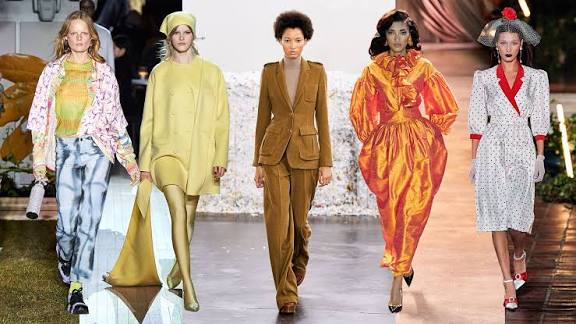
Color usage emerged as a key directional shift. Pastel tones, described as soft and muted, appeared consistently on runways and among attendees, contrasting with the high-saturation neon palettes that were prominent roughly a decade prior. Industry commentary suggested these softer hues may serve as an entry point for consumers who typically favor neutral wardrobes. At Altuzarra, chocolate-brown denim suggested a potential alternative to conventional khaki as a base neutral. A specific pale teal shade, shown at both Proenza Schouler and Tory Burch, appeared repeatedly enough to be identified as a likely seasonal highlight.
Pop culture integration was visible throughout the week. Post Malone attended the Sandy Liang show wearing branded merchandise and holding a Bud Light, generating noticeable audience reaction and social media attention. Rihanna’s appearance at A$AP Rocky’s AWGE presentation produced one of the most frequently replayed moments across digital platforms. Separately, Timothée Chalamet contributed to online discourse by posting childhood photos of Formula 1 driver Charles Leclerc, edited with a widely recognized orange overlay, further linking fashion-week conversation to broader internet culture.
Between runway events, the editors followed a consistent pattern of work-related socializing and dining, using these intervals for both sustenance and networking. Wardrobe choices shifted across the day: vintage Prada skirts and leopard Bottega boots were used in morning looks, while evening outfits incorporated pony-hair outerwear and croc-embossed Tory Burch skirts. Overall, the week functioned as a continuous, visually documented sequence of professional engagements, with clothing serving as both personal expression and real-time reporting on emerging trends.