The coordinated US-Israeli strikes on Iran’s military and strategic infrastructure have pushed the Middle East into its most volatile moment in years, rupturing fragile diplomatic efforts and igniting a chain reaction of violence from the Gulf to the Mediterranean.
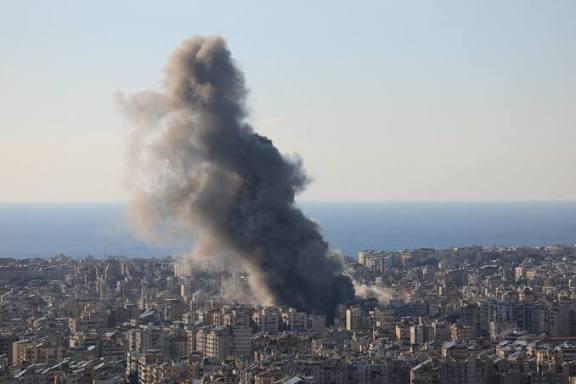
Warplanes, drones and cruise missiles pounded targets in and around Tehran, Isfahan, Qom, Kermanshah and other cities, hitting air defences, missile bases and command centres. Iranian authorities and the Red Crescent reported more than 200 dead and hundreds wounded, though independent verification remains difficult amid damaged communications and restricted access.
One of the most harrowing incidents was the strike on the Shajareh Tayyebeh girls’ elementary school in Minab, Hormozgan province. Iranian media said scores of children and staff, many between seven and twelve, were killed. International outlets reported a steadily rising death toll as rescuers pulled bodies from the rubble, turning the schoolyard into a symbol of the war’s human cost.
Iran responded with volleys of missiles and drones aimed at Israeli territory and bases hosting US forces in the Gulf, framing the attacks as legitimate self-defence. Hezbollah joined in from Lebanon, launching rockets and drones into northern Israel. Israeli forces struck back at positions linked to the group in southern Lebanon, prompting Beirut’s leadership to warn that the country risked being dragged into a wider regional inferno.
The escalation came despite ongoing UN-backed talks over Iran’s nuclear programme. Negotiations in Muscat and Geneva had reportedly made “significant progress,” with plans for further sessions in Vienna. The International Atomic Energy Agency had confirmed that Iran’s enrichment levels were edging toward weapons-grade, but diplomatic channels, however strained, were still open when the first missiles flew.
In Washington, New York and Chicago, protesters marched under banners rejecting another Middle East war, accusing US leaders of abandoning diplomacy and violating promises to end “endless wars.” Counter-demonstrations, including some within the Iranian diaspora, backed the strikes as a necessary blow against Tehran’s missile programme and regional proxies.
Beyond the immediate carnage, the conflict is destabilising Lebanon, Iraq, Syria and the Gulf, while jolting global energy markets as threats to the Strait of Hormuz drive up oil prices. Hospitals across the region are overwhelmed, and displacement is growing.
Military planners argue that the strikes may delay Iran’s nuclear and missile advances. Yet each new barrage narrows the space for negotiation and deepens a cycle of retaliation that could prove far harder to end than to begin.