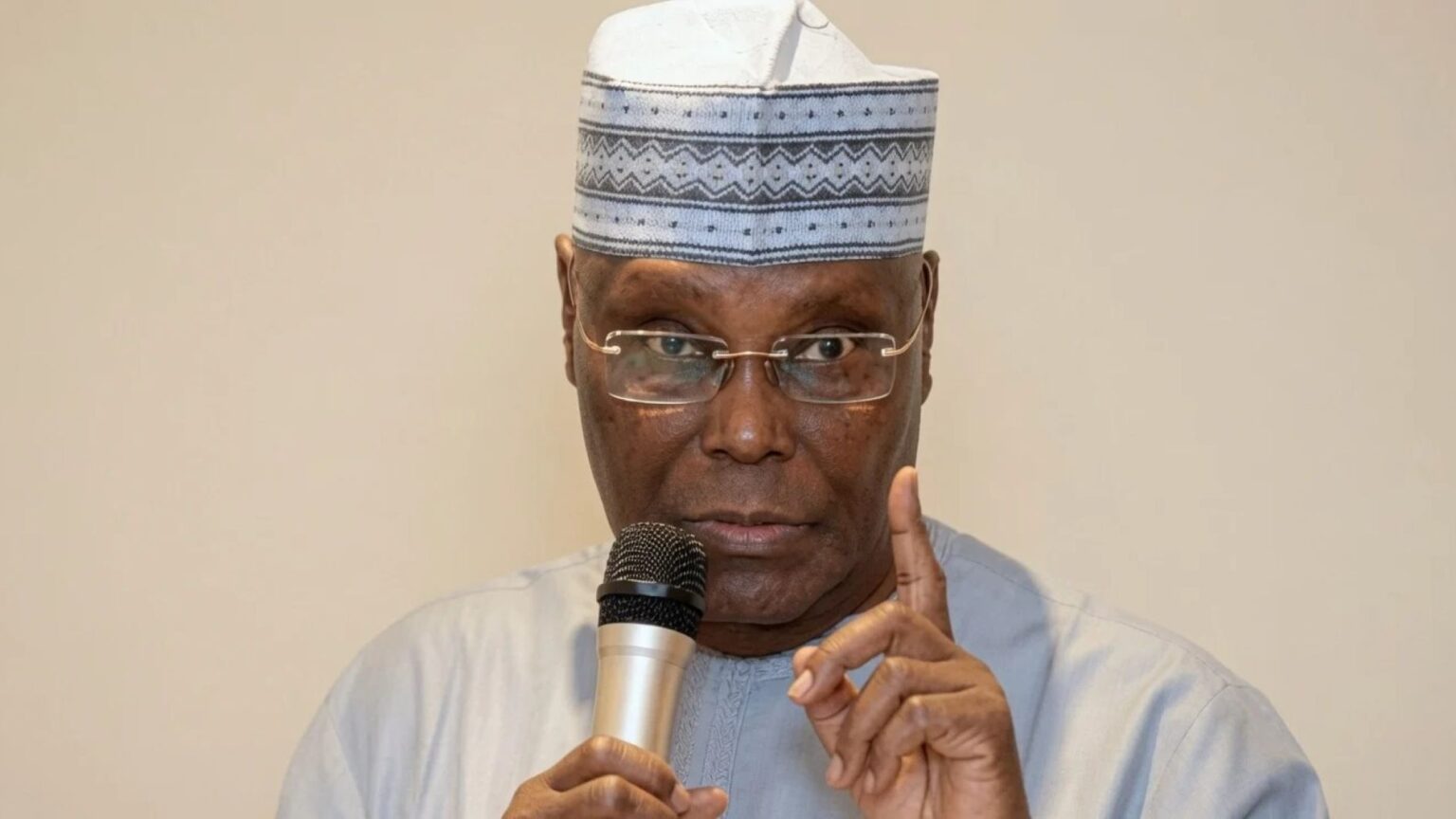
Forever Vice President Atiku Abubakar’s promise to restore a targeted petrol subsidy if elected has triggered a fresh political and economic debate, with the Presidency and the All Progressives Congress (APC) accusing him of an opportunistic policy reversal, while other presidential contenders question both the government’s approach to subsidy removal and the former vice president’s record.
Atiku, who vowed that neither President Bola Tinubu nor his supporters could stop him from implementing the policy, accused the Tinubu administration of presenting subsidy removal as an economic reform while granting fiscal concessions to oil investors.
In a statement issued in Abuja by his Senior Special Assistant on Public Communication, Phrank Shaibu, Atiku said the government’s claim that petrol subsidy had been abolished was difficult to reconcile with tax credits and other incentives available to petroleum operators.The presidential candidate of the African Democratic Congress (ADC) cited the audited accounts of the Nigerian National Petroleum Company Limited (NNPC), arguing that the figures showed that the government was still absorbing some petrol price differentials after the subsidy removal announcement.
“In 2023, NNPC’s accounts recorded approximately N4.84 trillion as energy-security expenses and related shortfalls, while its 2024 audited financial statements subsequently recorded about N7.13 trillion under energy-security expenses,” the statement said.
Atiku said NNPC had explained that the expense partly arose from the difference between the exchange rate used to determine the regulated PMS ex-coastal price and the prevailing exchange rate when import obligations were settled.“Nigerians do not eat semantics. Whether government calls it subsidy, under-recovery, shortfall or energy security, public resources were being used to bridge a gap between economic cost and the price at which petrol was sold. You cannot abolish subsidy at the podium and resurrect it in the accounts under an alias,” he said.
Atiku also cited the Deep Offshore Oil and Gas Projects Incentives framework, under which qualifying petroleum developments can access production tax credits beginning at $3 and $4.50 per barrel.
He accused the government of applying different economic standards to corporations and ordinary Nigerians, arguing that while oil investments received fiscal incentives, households facing rising living costs were expected to bear the full impact of petrol price increases.
“The government can protect a multibillion-dollar oil investment from risk, yet it says protecting the Nigerian worker from crushing hardship is bad economics. It can bend policy to make every barrel of crude more profitable but tells a struggling mother that making the litre of petrol she needs to take her children to school more affordable is irresponsible,” he said.