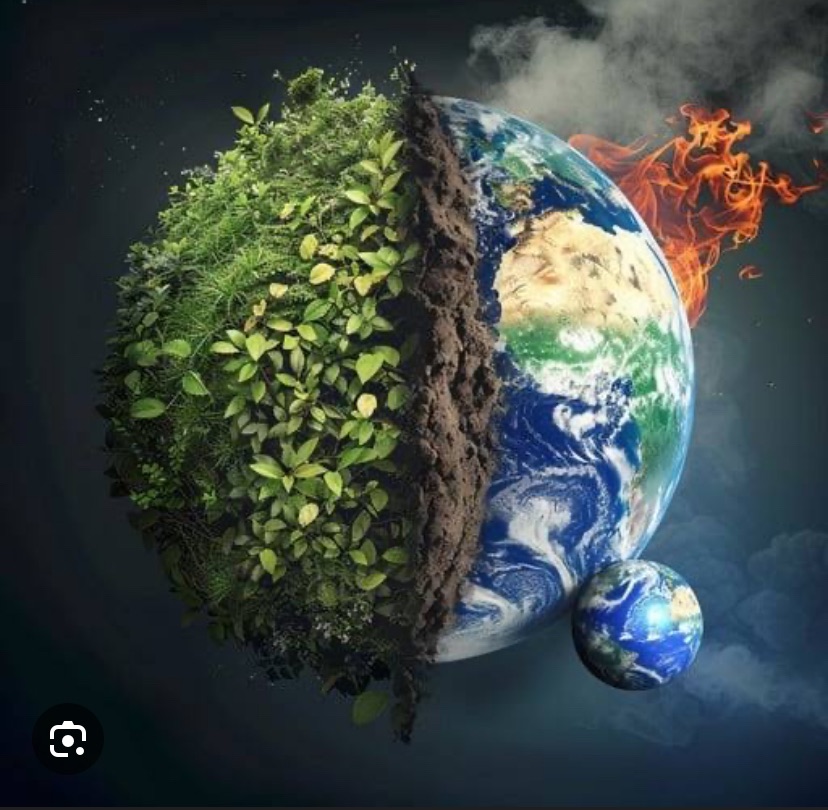
Climate Change and Its Effects
Climate change is one of the major scientific issues facing the world today. It refers to the long-term change in global temperatures and weather patterns. Although climate changes can occur naturally, human activities such as burning fossil fuels, deforestation, and industrial production have greatly increased the amount of greenhouse gases in the atmosphere.
These gases trap heat from the sun and cause the Earth’s temperature to rise. As a result, many environmental problems are occurring around the world. These include rising sea levels, extreme weather conditions, droughts, floods, and the melting of glaciers and polar ice caps.
Climate change also affects agriculture and food production. Changes in rainfall patterns and increased temperatures can reduce crop yields and threaten food security, especially in developing countries. In addition, it can lead to the spread of certain diseases and negatively affect human health.
Scientists and environmental organizations are working to find solutions to reduce the impact of climate change. Some of these solutions include the use of renewable energy sources such as solar and wind power, planting more trees, reducing carbon emissions, and promoting sustainable practices.
Governments, organizations, and individuals all have important roles to play in addressing climate change. By making environmentally friendly choices and supporting policies that protect the environment, society can help reduce the effects of this global problem and ensure a healthier planet for future generations.