We hear about new technologies every day artificial intelligence, smart devices, digital platforms, and online services. But an important question remains: is technology really accessible to everyone?
This question brings us to the issue of the digital divide. The digital divide refers to the gap between people who have easy access to technology and those who do not. While technology reporting often celebrates innovation, it rarely talks about the millions of people who are left behind.
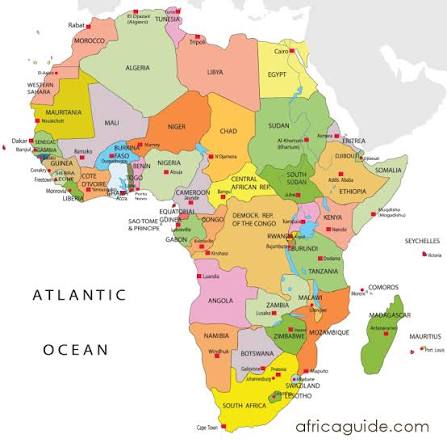
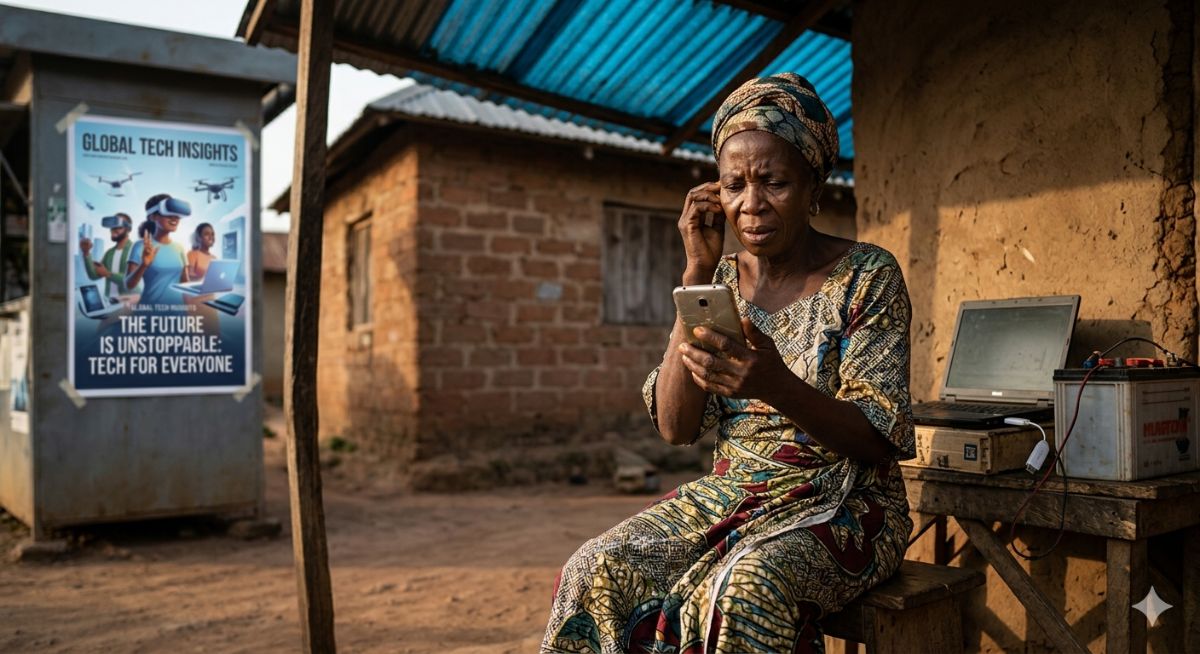
Most science and technology news focuses on developed countries, showcasing advanced inventions and digital lifestyles. However, in countries like Nigeria, many people still struggle with poor internet connectivity, lack of devices, and unstable electricity. Rural communities are especially affected, yet their realities are hardly represented in tech coverage.
Another major issue is that local innovations receive little attention. African tech startups and digital solutions are often ignored in favour of global tech giants. This creates the impression that technological progress only happens outside Africa.
In reality, technology cannot be truly progressive if it only benefits a small group of people. Science and technology reporting should not only highlight what is new, but also who has access and who does not.
Until the media begins to address the digital divide, technology will continue to be presented as universal even when it is not.