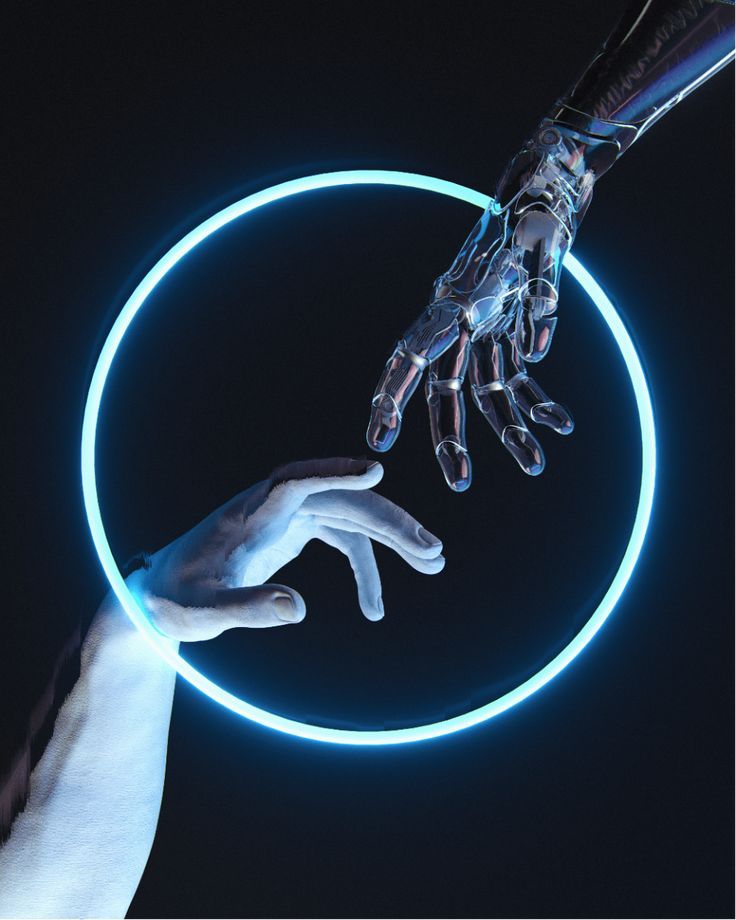
AI and Public Relations: The Invisible Hand Behind Campaigns
Public relations (PR) has been dramatically transformed by the advancements in science and technology, particularly through the integration of artificial intelligence (AI). AI has revolutionized how PR professionals approach strategy, reputation management, and audience engagement, bringing a new era of precision and efficiency to the field.
In the past, PR campaigns relied heavily on human intuition and analysis. Today, AI-driven platforms are capable of scanning vast amounts of data—thousands of social media posts, news articles, and online comments—in real time. This ability to process huge datasets is made possible by machine learning algorithms, which predict public sentiment with astonishing accuracy. For example, AI tools can monitor brand mentions across multiple channels, detecting shifts in how a brand or public figure is being perceived. This allows PR teams to act quickly when negative feedback or crises arise, often before human teams could catch it.
Leading institutions worldwide, such as Massachusetts Institute of Technology (MIT), have been at the forefront of developing AI technologies. In Africa, The University of Lagos (UNILAG) is also playing an essential role in AI research and its application to various industries, including mass communication. UNILAG's Department of Computer Science has been actively exploring how AI can improve various fields, including communications, and has established research projects focusing on machine learning, data mining, and sentiment analysis.
At UNILAG, researchers are developing AI tools that can help businesses and PR professionals better understand public opinion and optimize communication strategies. For example, AI tools trained on Nigerian social media trends can provide insights into how local audiences react to political messages, advertisements, or celebrity endorsements, enabling PR teams to craft more relevant and culturally appropriate campaigns.
In addition to sentiment analysis, AI's advancements in natural language processing (NLP)—as seen in research from institutions like MIT and UNILAG—have allowed PR professionals to create more engaging and personalized communication. These AI tools can analyze human emotions, tone, and intent behind social media comments, helping brands manage crises or engage more effectively with customers.
However, the rise of AI in PR also brings ethical considerations. While these tools allow for more targeted and efficient communication, they also raise the question: Who controls the narrative? When algorithms are driving messaging, are we losing the human touch of authentic engagement, or are we simply refining it? AI’s ability to optimize campaigns might make communication more effective, but it also risks making everything feel too perfect, too calculated.
As AI continues to evolve, the lines between human intuition and machine intelligence will blur further. Institutions like MIT and UNILAG are leading the charge in advancing AI technologies, ensuring that AI's role in communications remains both powerful and ethically sound. PR professionals must navigate this intersection of science, technology, and communication carefully, ensuring that the power of AI is harnessed responsibly to maintain trust and authenticity in the public’s eye.