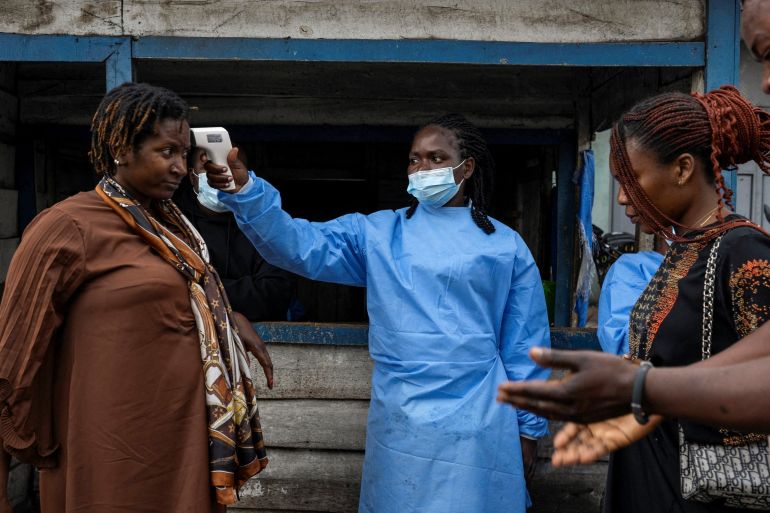
As the Democratic Republic of the Congo confronts a growing Ebola outbreak, health workers warn that women and girls are bearing the brunt of the crisis, both in their homes and on hospital wards.
In previous Ebola emergencies in the country, women accounted for roughly two-thirds of infections. UN Women has documented a similar pattern across outbreaks over the last half-century, noting that women are consistently overrepresented among the dead and the severely ill.
Experts say the reasons are rooted in gender roles that place women at the centre of caregiving. When a relative falls sick, it is usually mothers, daughters, sisters or wives who step in to provide intimate care long before a patient reaches a clinic.
“When someone in the community is sick, it’s the woman who comes to help that sick person,” explains Dr Furaha Elisabeth, director of the Karibuni Wa Maman Gynecology and Obstetrics Clinic in Bunia, in the country’s northeast. “It’s the woman who gives them a bath, who feeds them, and who is there to wash the dirty clothes and everything else.”
Those tasks bring women into direct contact with blood, vomit and other bodily fluids that carry the virus, often without adequate protection. In many rural areas, gloves, masks and gowns are scarce or unaffordable, forcing caregivers to improvise with cloths and plastic sheeting.
The danger extends into formal health facilities, where women make up the majority of nurses, cleaners and support staff. With limited supplies of personal protective equipment, they are frequently exposed to patients before Ebola is suspected or confirmed.
“If a woman is exposed and becomes infected, she will naturally pass the infection on to those around her,” says Dr Elisabeth. “The first people to be infected will be her children: the baby she is breastfeeding, the young children she cares for. That is why women, young girls and children are the people most at risk from this epidemic.”
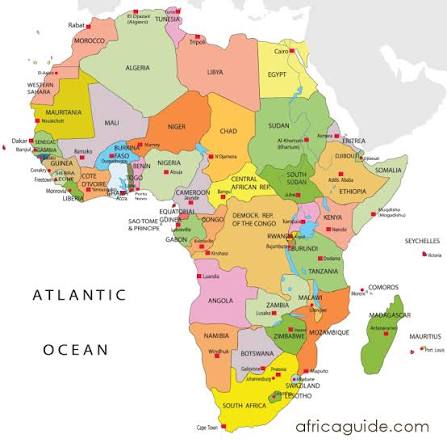
Authorities report that confirmed cases in the DRC have climbed into the hundreds, with the vast majority in Ituri province and additional infections in North Kivu and South Kivu. Across the border, Uganda has also confirmed cases linked to the outbreak.
Health officials stress that breaking the chain of transmission will depend on protecting women: ensuring they have information, equipment and support, and involving them directly in community surveillance, safe caregiving and burial practices.