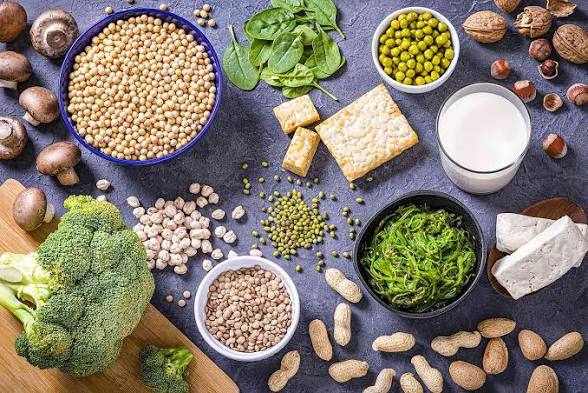
Soy is considered a complete protein, meaning it provides all the amino acids your body needs but can’t make on its own. And soy comes in many forms, offering between 8 and 18 grams of protein per serving.
Options include:
Edamame
Soy milk
Tempeh
Tofu
Soy is a great source of fiber and contains B vitamins, iron and zinc, too.
“Tofu is so versatile that you can use it in place of meat in a recipe or even as a base for creamy desserts,” recommends Zumpano. “Tempeh’s firm but chewy texture makes it a superb addition to sandwiches and salads. Or crumble it to substitute for ground meat in recipes.”
Legumes
Just a half-cup of any bean variety packs 6 to 9 grams of protein, while a half-cup of cooked lentils adds about 12 grams of protein to your meal.
Options include:
Black beans
Black-eyed peas
Brown lentils
Cannellini beans
Chickpeas
Green lentils
Green peas
Kidney beans
Navy beans
Pinto beans
Red lentils
Beans may also help lower cholesterol, while lentils may lower blood pressure. And both promote healthy gut bacteria, notes Zumpano.
“Try adding beans and lentils to soups, curries, tacos or salads,” she suggests
Seeds
Most varieties of seeds contain about 7 to 8 grams of protein per ounce.
Options include:
Chia seeds
Flaxseeds
Hemp seeds
Pumpkin seeds
Sesame seeds
Sunflower seeds
Seeds also come with other benefits, including nutrients that support bone and brain health.