Nigeria has appealed to the international community for backing as it moves toward establishing state police forces, arguing that decentralised policing is essential to restoring public trust and tackling complex security threats.
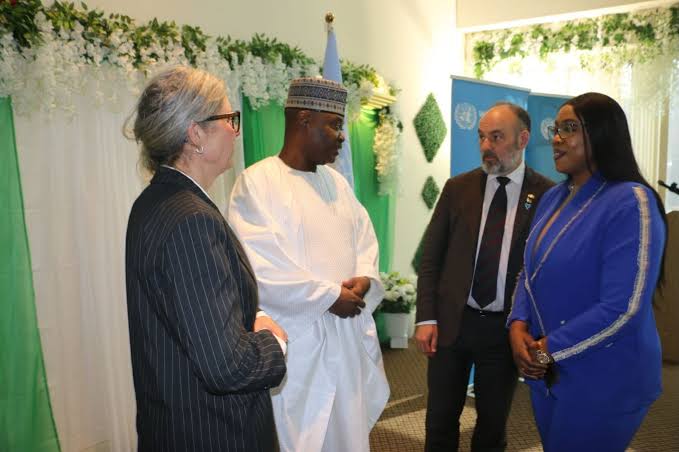
Nigeria’s Permanent Representative to the United Nations, Ambassador Jimoh Ibrahim, outlined President Bola Ahmed Tinubu’s vision while hosting the United Nations Strategic Police Advisory Group in New York. He said the proposed state police structure is designed to bridge the trust gap between citizens and law enforcement by bringing policing closer to local communities.
According to Ibrahim, the Tinubu administration is committed to overhauling Nigeria’s policing architecture through decentralisation and institutional reforms. The envoy stressed that a layered policing system, with state-level forces complementing the federal police, would allow for more agile responses to insecurity, better intelligence gathering and more efficient use of manpower.
He linked the reform agenda to Nigeria’s long record of international peacekeeping, noting that the Nigeria Police Force has earned respect within UN missions over several decades. Ibrahim highlighted the role of the current Inspector General of Police, Olatunji Disu, in sustaining that reputation and positioning Nigerian officers as key contributors to global security operations.
Police Adviser at Nigeria’s Permanent Mission to the UN and Co-chair of the UN Strategic Police Advisory Group, ACP Dolapo Badmos, reinforced the message. She said Nigeria remains firmly committed to global peace and security and views its domestic reforms as part of a broader effort to align with international best practices in policing.
Badmos described the New York engagement as evidence of Nigeria’s determination to deepen international cooperation and strategic policing partnerships. She emphasised that any effective police system must be professional, accountable and rooted in the communities it serves, particularly in an era of transnational crime, terrorism and cyber-enabled offenses.
United Nations policing experts at the meeting acknowledged Nigeria’s role beyond its borders. Lotta Gustafsson of the UN Office on Drugs and Crime noted that Nigeria has been a strategic partner in combating global drug-related offenses, while former SPAG chair Patrik Engstron praised Nigeria’s growing leadership in security diplomacy at the UN and within the advisory group.
With constitutional debates on state police intensifying at home, Nigerian officials are seeking not only political support but also technical assistance, training and knowledge-sharing from international partners to ensure that any new state-level forces meet global standards of human rights and accountability.