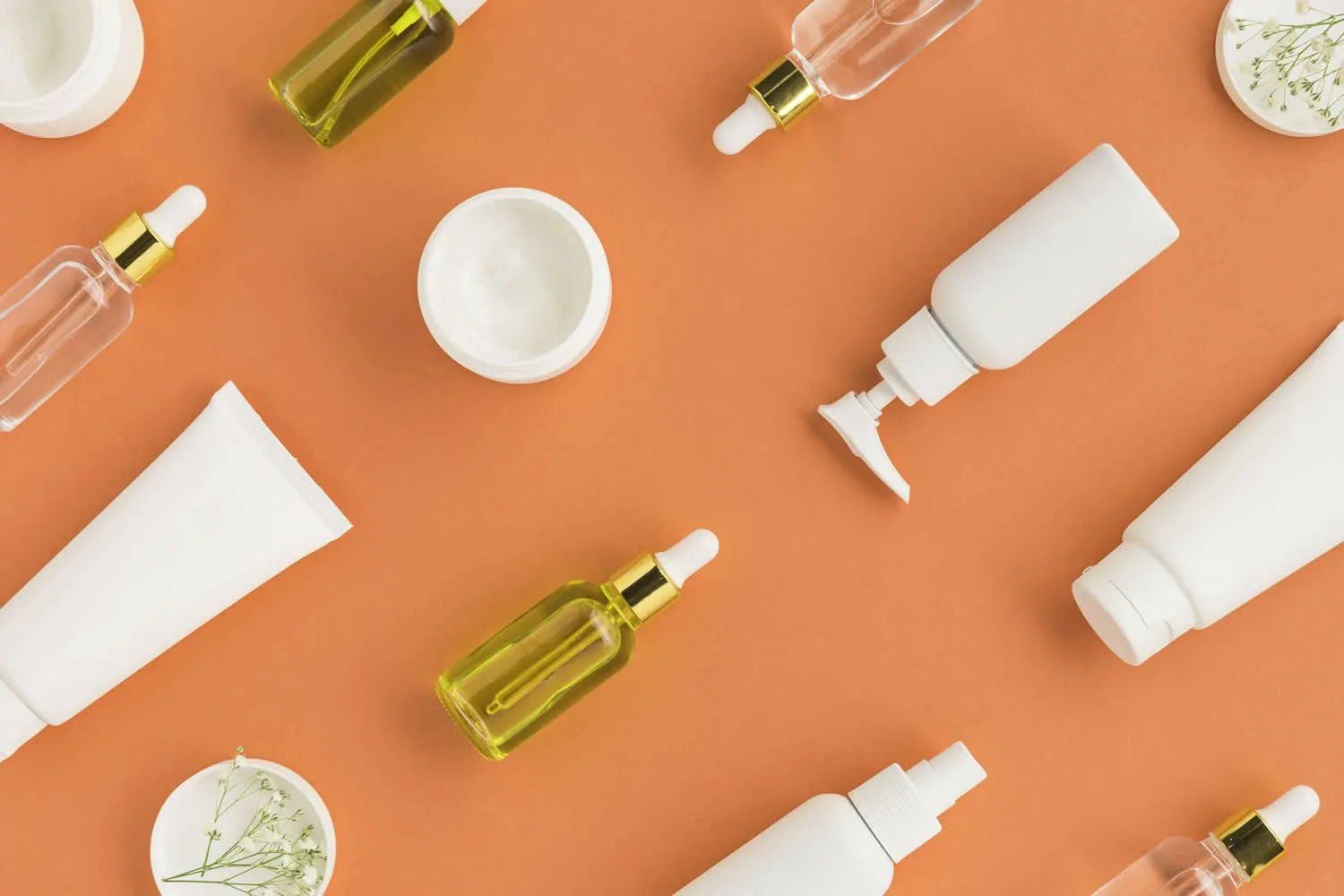
Dermatologists in Nigeria are raising alarm over the growing trend of using multiple skincare products at once, warning that the practice can damage the skin’s protective barrier and trigger a range of serious dermatological problems.
From Instagram reels to TikTok tutorials, elaborate skincare routines featuring long sequences of serums, toners, acids, oils and creams have become a daily ritual for many young Nigerians. Influencers frequently promote “glass skin” and “flawless glow” regimens that encourage users to layer five, ten or even more products on their faces, often without any medical guidance.
Skin specialists say this culture of excessive product use is now showing up in their consulting rooms as a new wave of avoidable skin damage.
Consultant Dermatologist at the Rivers State University Teaching Hospital, Dr Belema Abbey, said social media has played a major role in normalising complex routines that were originally designed for people with diagnosed skin conditions.
“For anyone without skin issues, basic skincare routines like cleansing and moisturising are enough,” she explained. “The additional steps being promoted, especially on social media, involving the use of multiple layers of products like serums, different solutions, and elaborate routines, are not ideal. You see people using droppers and applying several products to their faces. Those extra steps are meant for people who actually have skin issues.”
According to Abbey, the skin is not designed to cope with an endless stream of active ingredients, particularly when users mix products from different brands, with overlapping or incompatible formulations.
She warned that the long-term effects of overloading the skin can be severe. “The long-term effects of using too many products on the skin include triggering skin reactions. Some products are comedogenic, meaning they block pores and cause acne. Some sensitise the skin to sunlight, making the skin darker. Others can cause skin allergies. Over time, these products can damage the skin itself, especially because not all products are properly labelled. Some contain hidden ingredients that harm the skin without the user knowing.”
Dermatologists say the most common complications they now see from indiscriminate product layering include irritation, acne breakouts, allergic reactions, chemical burns, post-inflammatory hyperpigmentation and long-term skin sensitivity. In some cases, patients present with thinning skin, visible blood vessels and stretch marks caused by prolonged use of products secretly containing potent steroids.
Abbey noted that many of the elaborate routines being copied online were originally developed as treatment plans for people with specific conditions such as acne, melasma or eczema, and are meant to be used under close medical supervision and for limited periods.
“People are damaging their skin because social media has made skin care appear compulsory. People now want to do skin care and treat conditions they do not even have,” she said. “As a result, we see patients presenting with sudden-onset stretch marks from using unlicensed products formulated by people who are not licensed. We see sudden acne breakouts, severe pimples, and even foreign skin infections. We see ulcers, wounds on the face, and scars caused by advice or products from unlicensed and unauthorised skin-care peddlers.”
Her concerns are echoed by Consultant Dermatologist at the University of Uyo Teaching Hospital, Dr Edesiri Ighorodje, who warned Nigerians against relying on skincare tips from influencers and self-styled “skin therapists” with no medical training.
“Today’s world is flooded with skincare advice from untrained individuals, especially on social media. Many of these so-called tips are not evidence-based and can do more harm than good,” she said.
Ighorodje, a Fellow of the West African College of Physicians, said the rise of online beauty trends has contributed to worsening skin conditions among people who self-medicate or use unverified products without consulting specialists. She noted that many patients now arrive at clinics only after months of experimenting with acids, lightening agents and steroid-laced creams recommended by friends, influencers or informal vendors.
“By the time they come to us, the original problem is often overshadowed by new complications caused by the products they have used,” she explained. “We see people who started with mild acne but now have severe scarring and dark patches because they kept adding more and more products, hoping for a quick fix.”
Experts say the pressure to achieve an even-toned, blemish-free complexion is particularly intense in Nigeria, where skin appearance is a frequent topic of online discussion and where colourism and beauty standards can drive demand for aggressive treatments. Social media feeds are filled with before-and-after photos, sponsored posts and testimonials promising rapid transformation.
At the same time, skin diseases remain a significant public health concern in the country. Data from the World Health Organisation indicate that skin diseases contribute to a measurable portion of total deaths in Nigeria, with the country ranking among the higher-burden nations globally. A report in the Nigerian Journal of Dermatology found that eczema and infections or infestations are consistently the most common categories of skin disease seen in local studies, with eczema alone accounting for more than a quarter of diagnoses in one dermatology clinic.
Dermatologists stress that this burden makes it even more important for people to seek proper medical care rather than relying on trial-and-error with cosmetic products. Many rashes, discolourations and bumps that people try to “treat” with over-the-counter serums or bleaching creams are actually signs of infections, inflammatory diseases or systemic illnesses that require professional evaluation.
Ighorodje emphasised the importance of early and appropriate care. She advised Nigerians to avoid taking unsolicited skincare advice, especially from non-professionals, and instead consult qualified dermatologists who can assess their skin type, diagnose underlying conditions and recommend evidence-based treatments tailored to their needs.
Both specialists advocate for a return to simplicity in everyday skincare. For people without diagnosed skin disease, they recommend a gentle cleanser, a non-comedogenic moisturiser and daily sun protection as the core of a safe routine. Any additional active ingredients, such as retinoids, exfoliating acids or lightening agents, should be introduced only on the advice of a professional and monitored for side effects.
Abbey urged the public to be sceptical of dramatic online transformations and to remember that healthy skin is not achieved overnight. “Good skin is more about consistency, protection from the sun, and overall health than about how many bottles you have on your shelf,” she said. “When in doubt, keep it simple and see a dermatologist.”