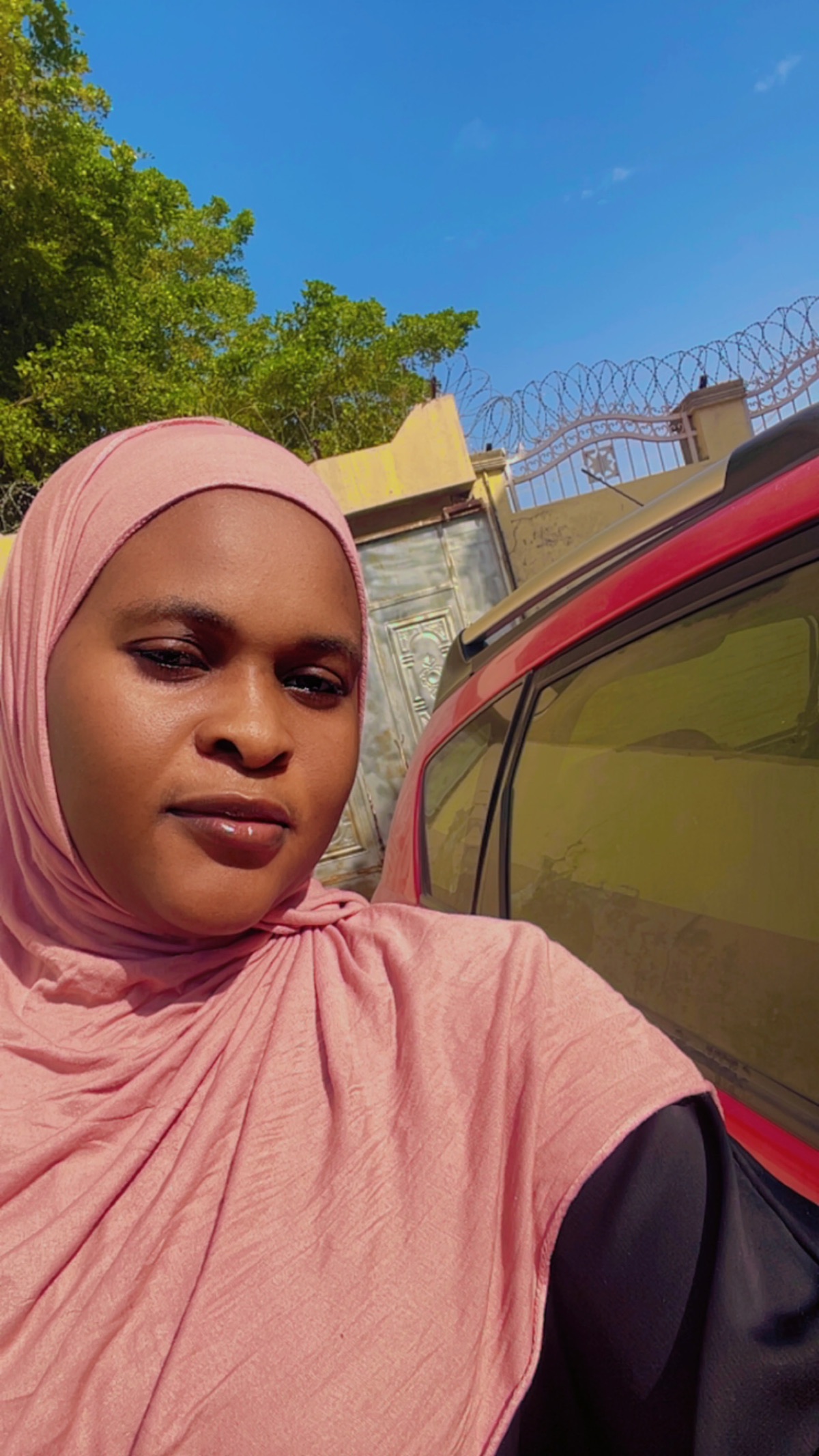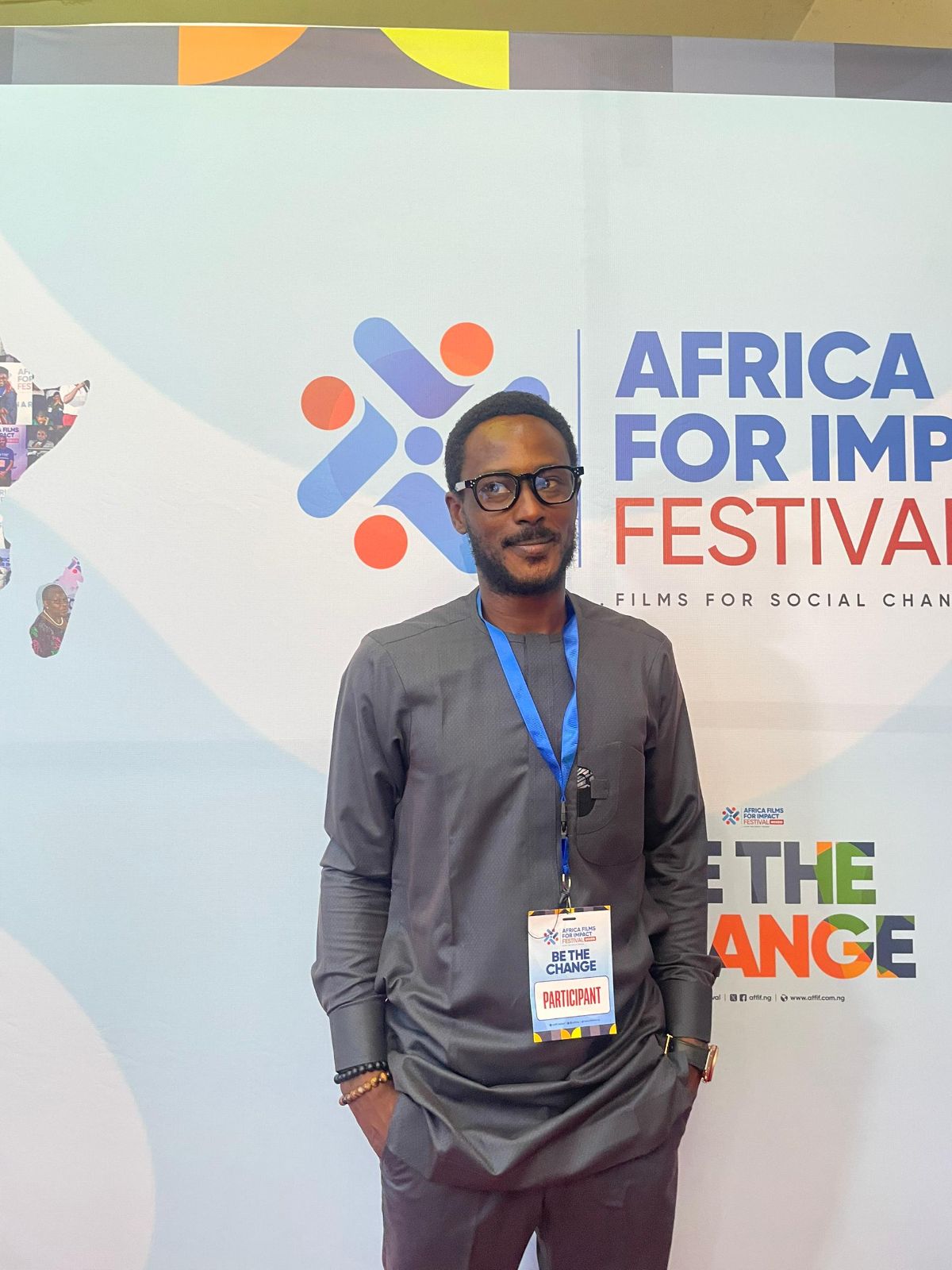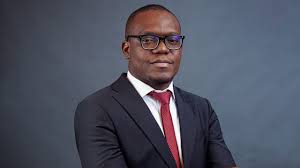
Gbenga Salau—full name Gbenga Samuel Salau—is one of those journalists who quietly goes about the business of holding power to account while shining a light on the everyday struggles and possibilities shaping Nigeria. Based in the bustling heart of Lagos, he’s been a steady voice at The Guardian Nigeria for years now, contributing well over 100 articles (his author page lists around 112 at last count). He describes himself simply as a multiple award-winning journalist with a keen interest in governance and policy—two areas that, in a country like ours, touch just about everything else, from health to the environment, from education to how we power our homes.
What draws you in when you start reading his work is how naturally he connects the dots. Governance isn’t some abstract thing for him; it’s about why promises on paper don’t always translate into real change on the ground. Take his reporting on Nigeria’s research institutions, for example. He’s pointed out, in features that feel both measured and urgent, how places like the Cocoa Research Institute of Nigeria and similar bodies receive funding year after year yet struggle to deliver breakthroughs that ordinary people can feel. It’s not finger-pointing for the sake of it—he’s asking the deeper question: if science and technology are meant to solve local problems, why do so many of these efforts seem disconnected from the farmers, manufacturers, or communities they’re supposed to serve? That kind of questioning sticks with you because it’s rooted in a genuine frustration with wasted potential.
From there, it’s easy to see how his lens shifts toward bigger-picture challenges like climate change and energy. Nigeria is racing to embrace renewables—solar panels popping up everywhere as an answer to chronic power shortages—but Salau doesn’t just celebrate the progress. He digs into the messy side: what happens to all the discarded batteries and panels when they reach the end of their life? In pieces touching on e-waste risks tied to the solar boom, he highlights the policy vacuum that could turn a green solution into another environmental headache. It’s thoughtful reporting—never alarmist, but clear-eyed about the trade-offs. He’s even suggested making climate studies a compulsory part of school curricula, arguing that building awareness early is one of the few ways to push for more holistic government action. In a place where short-term fixes often win out over long-term planning, that call feels both practical and bold.
His involvement in science communication efforts adds another layer to who he is. Back in collaborations like the African Science Literacy Network—a partnership through groups such as TReND in Africa—he’s been part of workshops that bring scientists and journalists together. Imagine the scene: researchers explaining complex data while reporters learn how to translate it into stories that actually reach people. Salau has been right in the middle of those conversations, helping bridge the gap between lab results and public understanding. It’s not flashy work, but it matters in a country where misinformation can spread fast and trust in institutions isn’t always high. His participation shows he’s not content to just report on science from the outside—he wants to help make it more accessible and relevant.
Of course, his beat isn’t limited to science and tech. Flip through his recent pieces and you’ll find him tackling everything from the crisis in Nigeria’s health sector (underfunding, staff shortages, the irony of medical tourism reversal masking deeper problems) to regional politics (like the strains on ECOWAS after countries like Mali, Niger, and Burkina Faso signaled exits). He’s covered faith-based exploitation, child labor protections that fail in practice, even interviews with figures in marketing or Rotary International. There’s a thread running through it all: a concern for how systems—whether governmental, economic, or social—affect ordinary lives. He doesn’t shy away from tough topics, but he approaches them with a sense of fairness and depth that makes you trust what he’s saying.
On a more personal note, Salau keeps things low-key online. His X account (@salaugbenga1) has a straightforward bio: “I am a Lagos based journalist interested in reporting development issues.” No grandstanding, just occasional shares of his latest stories or thoughts on the news. LinkedIn confirms the basics—his degree in Communication and Language Arts from the University of Ibadan, his start at The Guardian after youth service, the steady climb that’s earned him awards like Quill recognitions and nods at events such as the NMMA. He’s been honored for nutrition reporting in the past and investigative work, which speaks to his versatility.
What stands out most, though, is how his writing flows from one concern to the next without feeling forced. Governance leads to policy gaps, which lead to innovation failures, which circle back to environmental risks and the need for better education. It’s like watching someone map out Nigeria’s interconnected challenges in real time. In a media landscape that can sometimes chase headlines or sensationalism, Salau’s style feels grounded—analytical yet human, critical without being cynical. He’s the kind of reporter who reminds you journalism can still be about asking the right questions, even when easy answers aren’t available.
In the end, Gbenga Salau represents a certain kind of Nigerian journalism: persistent, thoughtful, and deeply invested in the country’s future. He doesn’t just cover stories—he connects them, showing how one policy decision ripples into health, environment, education, and opportunity. In a time when development issues feel overwhelming, voices like his help make sense of the chaos and point toward what might come next. If you’re looking for someone who reports with both heart and rigor, he’s worth following.