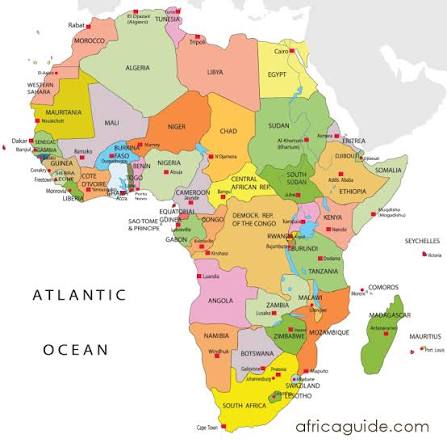
In a dramatic twist that has set West Africa abuzz, Burkina Faso’s military government has just confirmed the stunning detention of 11 Nigerian military personnel, along with the impounding of a Nigerian Air Force C-130 cargo plane. The cause? An “unauthorized” and apparently brazen entry into Burkina Faso’s airspace,a move that’s sent shockwaves through the region and left analysts questioning security stability among West African nations, especially those now under military rule.
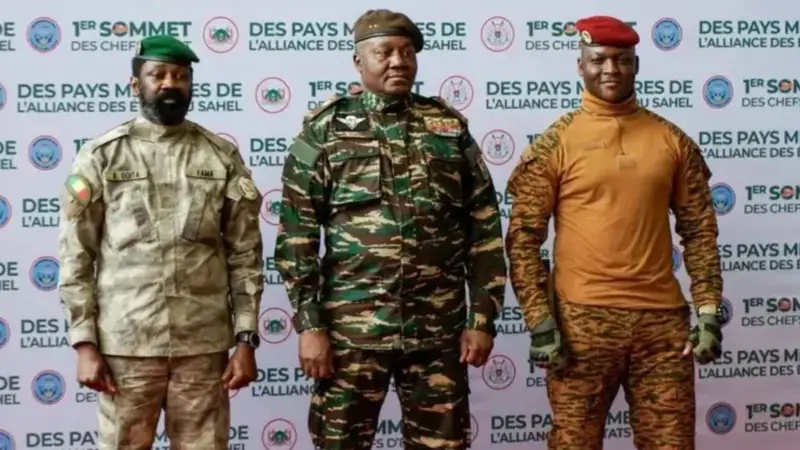
The Alliance of Sahel States (AES),which includes Burkina Faso, Niger, and Mali,wasted no time in blasting out an official statement. According to the AES, the Nigerian aircraft boldly crossed into Burkinabe airspace without the green light, forcing an emergency landing at Bobo-Dioulasso airport. This is not just any airport,it’s a strategic hub in southwestern Burkina Faso. The AES, eager to flex its muscle on the world stage, slammed the incident as a “serious breach” of international aviation norms and their national sovereignty.
“An investigation was immediately opened,” the AES declared, quickly emphasizing the “absence of authorization” for the Nigerian mission. The Confederation of the Sahel States, clearly in no mood for diplomacy, thundered its condemnation of this “violation” and, in strong terms, defended its airspace and sovereignty.
The Nigerian military personnel involved remain under wraps, their identities a tightly held secret, as Burkinabe authorities grill them for answers. No word yet on what exactly forced the crew to make their unscheduled landing, or what mysterious mission brought them into the heart of Sahel airspace. The lack of details has only fueled speculation and raised more questions than answers.
In a show of force, the AES has ramped up security to the highest level. Air defense and anti-aircraft systems are now on red alert, and the confederation has made it crystal clear: any unauthorized aircraft risks being “neutralized” without hesitation. The message is unambiguous,further breaches will be met with decisive action. The AES’s statement couldn’t be more pointed, blaming the “unfriendly act” on Nigeria’s disregard for international law and vowing to defend the confederation’s skies at all costs.
Backing this hardline posture, the AES also cited a fresh mandate from its Heads of State, explicitly authorizing use of force against any aerial interlopers. The region is now on a knife-edge, with air defenses primed and ready to strike at the first sign of another intrusion.
This incident comes amid a tense environment in the Sahel, where coups and political upheaval have become the new normal. The AES alliance is determined to cut itself off from Western influence and clamp down hard on its borders and airspace, citing security challenges and a wave of insurgencies.
So far, silence from Abuja: the Nigerian government and its air force have yet to comment on the detention of their personnel or the fate of the seized aircraft. Behind the scenes, diplomatic channels are expected to go into overdrive as both sides scramble to resolve the high-profile standoff before it spirals even further.