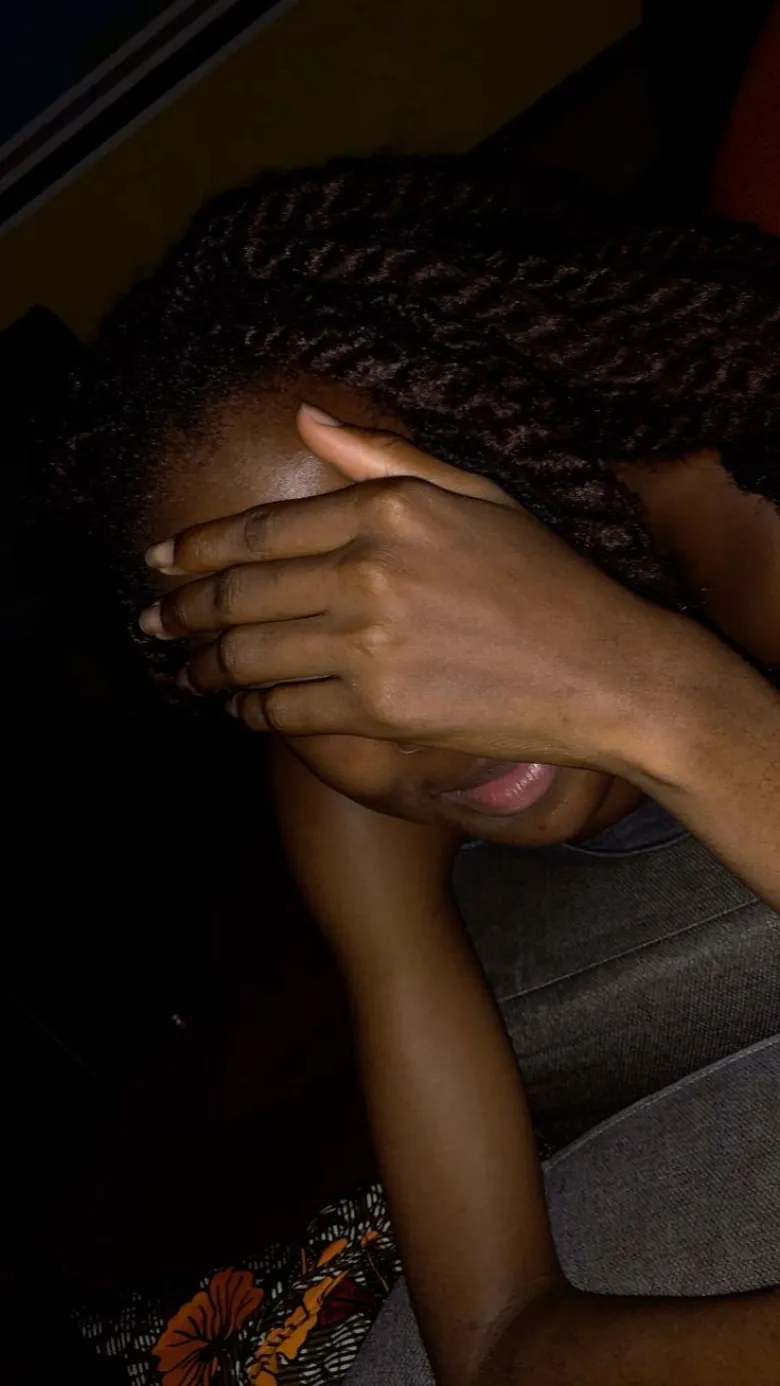
One of the biggest misconceptions about healing is the belief that time alone heals all wounds.
We have all heard the saying, "Give it time. Time heals everything." While time is important, time by itself does not automatically heal. Time simply creates space.
What we do within that space often determines whether we heal or remain stuck.
Think about it this way: if someone breaks a bone and refuses treatment, ignores medical advice, and continues putting pressure on the injury, time alone may not produce proper healing. The same is true emotionally.
Many people have carried wounds for years—sometimes decades—not because they are weak, but because they have never intentionally addressed the pain.
Healing requires time because deep wounds cannot be rushed. Grief has its own rhythm.
Trauma unfolds in layers. Some experiences affect not only our emotions but also our beliefs, relationships, identity, and sense of safety.
Expecting to heal overnight can create unnecessary frustration.
There will be seasons when you feel like you are making tremendous progress.
Then there will be moments when old memories resurface, and you may wonder if you have gone backward.
You have not.
Healing is rarely linear.
However, healing also requires intention.
Intentional healing means making a conscious decision to participate in your own recovery. It means asking difficult questions instead of avoiding them. It means becoming curious about your triggers rather than ashamed of them.
Intentional healing may involve therapy, coaching, prayer, journaling, support groups, reading, setting boundaries, or learning healthier coping skills. It means choosing practices that support your emotional well-being consistently.
Without intention, pain can become familiar. We may normalize unhealthy relationship patterns, suppress emotions, or remain trapped in survival mode because it feels safer than change.
Intentional healing also requires honesty.
Honesty about what hurt you.
Honesty about what you need.
Honesty about the ways you may have adapted to pain.
This honesty can be uncomfortable, but it is necessary.
Healing is not passive. It asks something of us. It asks for courage, patience, compassion, and persistence.
There will be days when you are tired. Days when healing feels slow. Days when you wonder whether all the work is worth it.
Keep going.
Every boundary you establish, every difficult conversation you have, every tear you allow yourself to cry, every healthy choice you make is part of the healing process.
Time creates the opportunity.
Intention creates the transformation.
Together, they make healing possible.

5