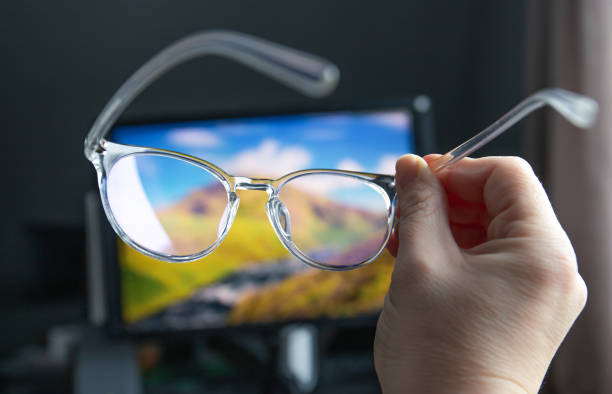
Tech Myths Debunked – Episode 3
Technology is full of advice that sounds scientific but often isn’t. In Tech Myths Debunked, we separate internet rumors from real science. Each episode takes one popular tech belief, breaks it down using simple explanations, and delivers a clear verdict. No exaggeration. No fear tactics. Just facts.
The Myth
“Blue light glasses protect your eyes from damage caused by screens.”
With people spending hours on smartphones, laptops, and tablets every day, blue light glasses have become extremely popular. Many advertisements claim they protect your eyes from harmful screen light and prevent long-term eye damage.
But are these glasses really necessary?
Why People Believe It
Screens from phones, computers, and televisions emit blue light, which is a type of visible light with a short wavelength and relatively high energy. Because of this, many people assume it must be harmful.
Marketing has also played a big role. Many companies sell blue light glasses as a health solution for “digital eye strain,” which makes them sound medically essential.
As screen time increases globally, the idea that we need protection from our devices becomes easier to believe.
The Science
Blue light is not unique to screens. In fact, the largest source of blue light is the sun.
Digital screens emit only a small fraction of the blue light you receive during normal daylight exposure. Because of this, scientists generally agree that the amount coming from screens is not strong enough to damage your eyes.
Organizations such as the American Academy of Ophthalmology state that there is no scientific evidence showing that blue light from screens causes permanent eye damage.
However, screens can still cause digital eye strain. This happens mainly because people blink less while staring at screens for long periods. Symptoms can include:
- Dry eyes
- Headaches
- Blurred vision
- Eye fatigue
Blue light glasses may slightly reduce glare for some people, but they are not a medical necessity for eye protection.
The Verdict
⚠️ Partially True
Blue light glasses may make screens feel more comfortable for some users, but there is no strong evidence that they protect your eyes from damage caused by digital devices.
What You Should Actually Do
Instead of relying on special glasses, experts recommend simple habits:
Follow the 20-20-20 rule: every 20 minutes, look at something 20 feet away for 20 seconds
- Adjust screen brightness to match your environment
- Take regular breaks from screens
- Blink more often to prevent dry eyes
Some devices also include night mode or blue-light filters, which can help reduce eye strain at night and improve sleep.