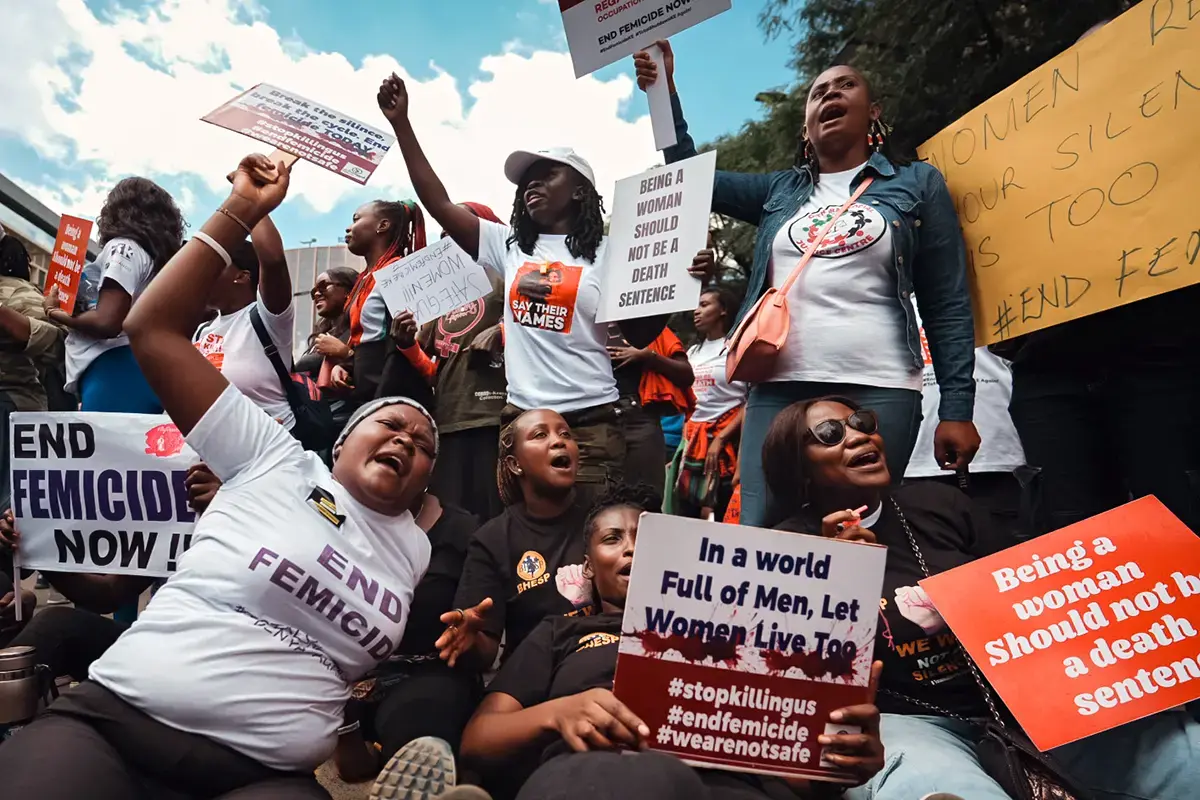
Kenya is once again in the spotlight as the country grapples with a shocking wave of violence against women and girls. The latest case to capture national attention is that of 10-year-old Mary Wambui, whose tragic death has reignited fierce debate over the government’s handling of femicide,a term that, incredibly, is still not officially recognized in Kenyan law.
Mary’s story is every parent’s worst nightmare. She vanished while playing outside, only to be found stabbed and hidden under a bed in the home of her landlord’s adult son. The accused is now facing trial, but for Mary’s mother, Lenah Kanywa, and her family, the trauma is far from over. The details are gruesome, and the public is demanding answers.
But is Mary’s case just the tip of the iceberg? According to the United Nations, a staggering one in five women in Kenya are killed every day,a statistic that, if true, paints a horrifying picture of daily life for women and girls. Experts warn that the real numbers could be even higher, thanks to rampant underreporting and the tendency to label suspicious deaths as accidents or suicides. How many more cases are slipping through the cracks?
The outrage is palpable. Activists, NGOs, and ordinary citizens have taken to the streets in record numbers, fueled by a recent report from Africa Data Hub and Africa Uncensored that revealed an unprecedented spike in femicides last year. The protests were loud, emotional, and impossible for the government to ignore.
In a move that some see as too little, too late, the government has set up a task force and held town hall meetings to “listen” to the public. But critics say these are just performative gestures. The real issue, they argue, is a broken system that fails victims at every turn,from the moment a crime is reported to the lack of meaningful support for survivors and grieving families.
Njeri Migwi, founder of the outspoken NGO Usikimye, is not mincing words. She insists that the government must overhaul its approach, starting with proper psychosocial support for victims. “We need trained psychologists at police stations, not just officers,” she says. But will anyone in power actually listen?
Usikimye’s latest awareness campaign,a traveling exhibition featuring bloodstained dresses and a mock police gender desk,has shocked and moved audiences across Kenya. The displays are graphic, but organizers say they’re necessary to drive home the reality of femicide. Still, some question whether such exhibitions are enough to spur real change.
At the exhibition’s opening, Lenah Kanywa bravely shared her ordeal, describing the isolation and pain she’s endured since losing her daughter. She credits support groups and counseling for helping her cope, but the scars remain. “I saw I was not alone,” she said, echoing the experiences of countless other women.
After three years, Mary’s case is finally in court. Lenah wants justice, but the outcome remains uncertain. Meanwhile, activists continue to push for femicide to be recognized as a specific crime, insisting that only then will the cycle of violence be broken.
For now, the question remains: Is the government truly committed to ending femicide, or are we witnessing more empty promises? As the headlines fade, will real action follow,or will Kenya’s women and girls continue to pay the price?










.jpeg?alt=media&token=96b327a5-8e62-4ed1-a078-308aff149ed1)

