Anaya sat by the window of her small tailoring shop, watching the bustling market square fade into silence. It had been a month since the textile factory—the town’s largest employer—shut its doors, leaving hundreds, including Anaya, without work. For years, the factory had been her lifeline, a steady stream of income that allowed her to provide for her two young sons. Now, she faced an uncertain future, with nothing but a sewing machine and a heart full of worry.
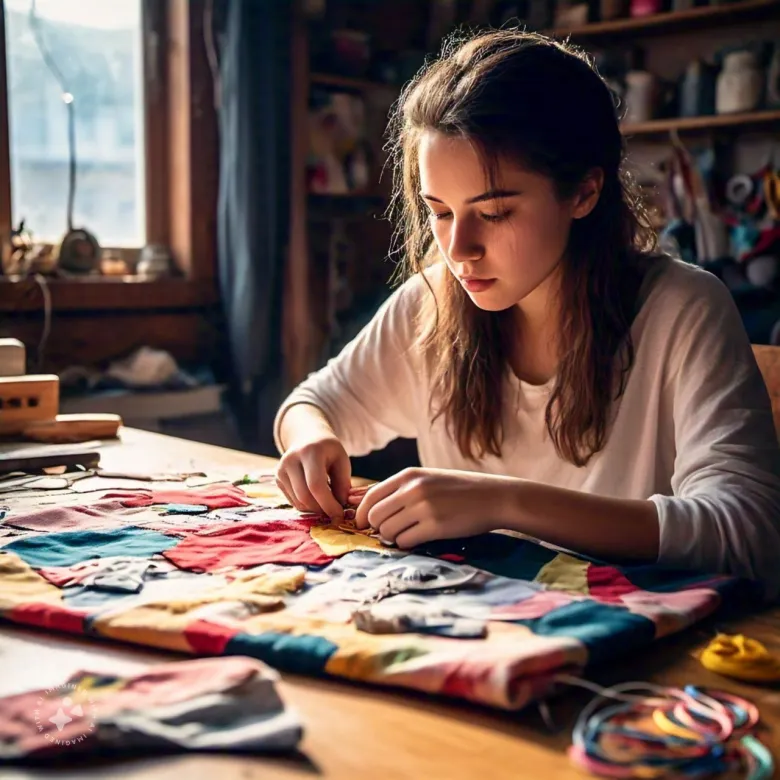
Anaya wasn’t one to wallow in despair. Her late mother had taught her resilience, the kind forged through years of hard labor and unwavering hope. So, the next morning, as her sons played with makeshift toys in the corner, she set to work on an idea. She spread out scraps of fabric from her factory days and began sewing patchwork blankets, each piece stitched with care and determination.
Her first creation was simple—a blend of colors and textures that told a story of survival. She listed it for sale online, hoping for a miracle. To her surprise, within hours, someone purchased the blanket, leaving a note: “Beautiful work. More, please!”
Word spread quickly. Anaya’s patchwork blankets caught the attention of her neighbors, then the wider community. Each blanket became a symbol of creativity and resilience, repurposing discarded scraps into something meaningful. Soon, other former factory workers approached her, eager to learn and contribute.
Within weeks, Anaya’s shop transformed into a lively workshop. Women gathered daily, bringing their own scraps and stories. They shared laughter, tears, and memories of the factory while sewing blankets, bags, and even clothes. Anaya taught them stitching techniques, but more importantly, she inspired them to believe in their abilities.
The group decided to name their initiative “Threads of Hope.” They organized pop-up markets, where their creations sold out within hours. Local businesses took notice, offering partnerships and support. Even the mayor visited, praising their ingenuity and pledging resources to help them grow.
Despite their success, challenges persisted. Orders sometimes outpaced their supply, and securing enough fabric was an ongoing struggle. Yet, Anaya and her team faced each obstacle with unwavering determination. They began sourcing discarded textiles from surrounding towns, reducing waste while fueling their work.
Months later, “Threads of Hope” had expanded beyond anyone’s expectations. The initiative employed dozens of women, many of whom had been on the brink of despair. Their creations were now shipped nationwide, each product carrying a tag that read: “Made with love and resilience.”
Anaya’s tailoring shop was no longer just a place to sew; it was a beacon of possibility. The walls, once bare, were adorned with photos of the women’s families, quotes about perseverance, and colorful fabrics that symbolized their shared journey.
One evening, as Anaya packed up for the day, her eldest son handed her a small, crumpled piece of paper. It was a drawing of her sewing machine, surrounded by hearts and smiling faces. “You’re an amazing mom,” he said, hugging her tightly.
Tears welled in her eyes as she looked around the bustling workshop. Anaya had started with nothing but scraps, yet she had built a future—not just for herself, but for her sons and an entire community.
In the hands of those determined to rise, even the smallest threads can weave the strongest bonds.