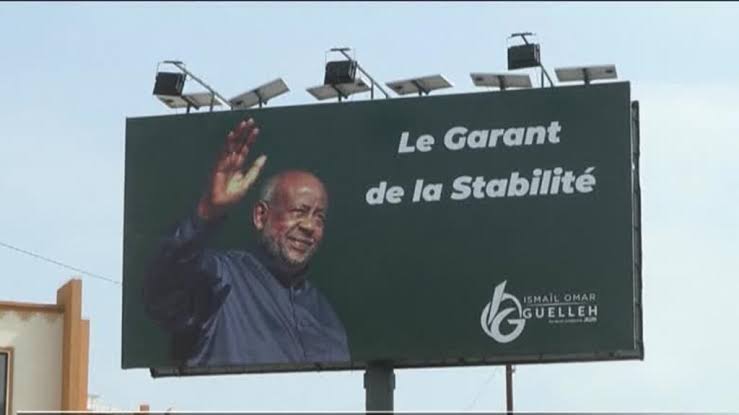
Djibouti’s voters are heading to the polls in a presidential election widely seen as a test not of who will win, but of how firmly power remains in the hands of long-time leader Ismail Omar Guelleh.
Election officials have dispatched ballot papers and boxes across the small Horn of Africa nation, where Guelleh is seeking a sixth term in office. The 78-year-old incumbent faces a single, little-known challenger whose party holds no seats in parliament, reinforcing expectations of a comfortable victory for the ruling establishment.
Guelleh has dominated Djiboutian politics since 1999, presiding over a tightly controlled system that blends promises of stability and development with a record of harsh treatment of dissent. Supporters credit him with steering the country through regional turmoil and leveraging its geography into economic and diplomatic clout.
Djibouti sits on the Bab al-Mandab strait, a chokepoint linking the Red Sea to the Gulf of Aden and the Indian Ocean. Under Guelleh, this narrow corridor has become one of the world’s most militarised waterways. The country hosts the only permanent United States military base in Africa and France’s largest base on the continent, alongside Chinese, Japanese and Italian facilities. These foreign deployments bring in crucial revenue and give Djibouti outsized strategic importance far beyond its size and population.
Yet the same environment that has attracted global powers has also drawn scrutiny from human rights organisations. Advocacy groups accuse Guelleh’s government of systematically stifling opposition parties, independent media and civil society. Security forces have been repeatedly criticised for heavy-handed tactics, including arbitrary arrests and intimidation of journalists and activists.
Opposition figures and rights defenders argue that the current contest falls far short of a genuine democratic exercise. With major opposition parties sidelined or boycotting, they describe the vote as a carefully managed ritual designed to legitimise an outcome that has already been decided.
Authorities insist the election is being conducted in line with national laws and stress that stability is paramount in a region scarred by conflict and political upheaval. For many ordinary Djiboutians, the ballot takes place against a backdrop of high unemployment, rising living costs and persistent inequality, issues that remain largely overshadowed by the country’s strategic profile.
As polls open, the central question is not whether Guelleh will remain in power, but how his continued rule will shape Djibouti’s political space and its role at the crossroads of global military and commercial interests.