A sweeping “Protection of Sovereignty Bill” before Uganda’s parliament has triggered an unusually broad backlash, with rights groups, lawyers, bankers and even some ruling-party figures warning it could criminalise dissent, choke the economy and mirror Russia’s notorious “foreign agents” law.
The bill would make it a crime to promote “the interests of a foreigner against the interests of Uganda” and empower authorities to brand anyone receiving funds from abroad as a “foreign agent.” Conviction could carry prison terms of up to 20 years.
Human Rights Watch and other observers say the language closely tracks legislation used in Russia and several allied states to dismantle independent media and civil society. Vague wording, they argue, would allow security agencies to target almost any critic, from opposition politicians and journalists to community organisers and researchers.
Alarm has intensified over a clause defining Ugandans living abroad as “foreigners,” a move constitutional lawyers describe as blatantly unlawful. Uganda’s large diaspora, which sends home billions of shillings in remittances each year, fears that ordinary family transfers could be treated as suspect political funding.
Despite the ruling National Resistance Movement’s dominance in parliament, resistance has surfaced within its own ranks. Former deputy attorney general and finance minister Mwesigwa Rukutana said the bill “has been opposed by almost all segments of society,” urging lawmakers to conduct broad consultations “to make it less toxic — or better still, shelve it.”
Civil society leaders are more blunt. Job Kiija of the Innovations for Democratic Engagement and Action think tank says the proposal fits a global pattern. “From Russia to Nicaragua, these laws are never about protecting the people. They are about protecting the regime from its own citizens.”
Lawyer and activist Agather Atuhaire calls the draft “stupid and ridiculous to the point that it will collapse the entire economy,” noting that the government itself relies heavily on foreign donors and could, on a strict reading, qualify as a foreign agent.
Uganda’s central bank has joined the chorus of concern. Governor Michael Atingi-Ego warned parliament that the bill risks sharply reducing capital inflows and “reversing three decades of successful financial development,” as investors, charities and diaspora Ugandans reconsider sending money into the country.
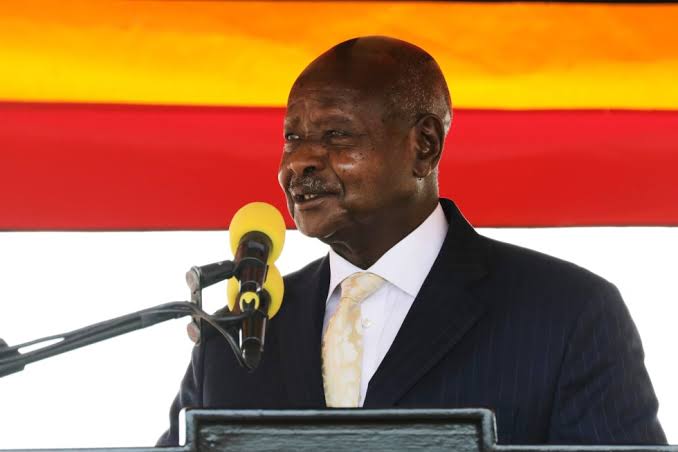
President Yoweri Museveni has publicly ordered revisions to ensure capital flows are not impeded, while defending the principle of blocking “foreign-funded” political influence. “Independence means the right to make our own mistakes if necessary and learn from them,” he said, insisting outsiders should not bankroll groups seeking to shape Uganda’s decisions.