Ugandan health authorities have placed more than 100 people under quarantine as they race to contain a rare Ebola outbreak linked to the Bundibugyo strain, a variant of the virus that has surfaced only a few times in history.
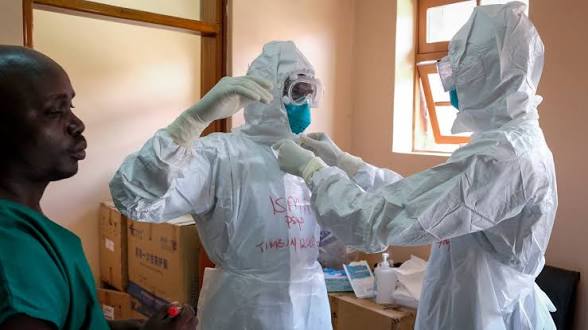
Officials say the individuals now in isolation were identified through contact tracing after confirmed infections were reported in western Uganda. They are being monitored at a secure, undisclosed location, where medical teams are checking them daily for fever, bleeding, and other hallmark symptoms of Ebola.
Health officials stress that the situation is under control, citing Uganda’s long and often painful experience with viral epidemics. The country has confronted multiple Ebola outbreaks over the past two decades, as well as the COVID-19 pandemic and the long-running HIV/AIDS crisis, building a network of trained clinicians, laboratory capacity, and rapid-response teams.
Alan Kasujja, Executive Director of the Uganda Media Center and communications focal person for the national Ebola task force, said authorities are relying on seasoned professionals to manage the crisis. He emphasized that those in quarantine are under the care of highly trained medical staff and urged the public to remain calm but vigilant.
Kasujja called on communities to follow public health guidance, including prompt reporting of suspected cases, avoiding physical contact with the sick or the dead, and adhering to infection-prevention measures in clinics and at home. He noted that early detection and strict isolation remain the most effective tools for stopping Ebola transmission.
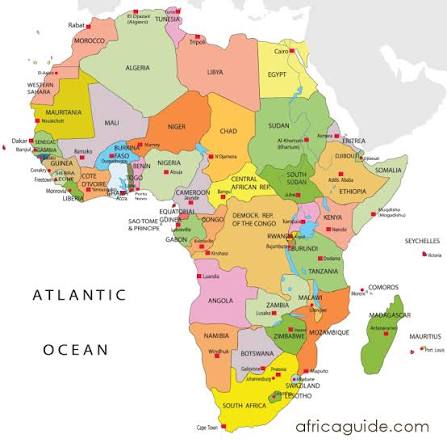
The developments in Uganda come as the World Health Organization warns about the scale and speed of a worsening Ebola outbreak in eastern Democratic Republic of Congo. WHO officials say the growing number of cases there, combined with intense population movement across porous borders, heightens the risk of regional spread.
Congo’s health ministry has reported at least 131 deaths and more than 500 suspected cases, figures that have alarmed international health agencies and neighboring governments. The proximity of affected areas to Uganda, Rwanda, and South Sudan has prompted renewed screening at border crossings and stepped-up surveillance in remote communities.
Ugandan authorities say they are coordinating closely with WHO and Congolese counterparts, sharing data and expertise as they work to prevent the Bundibugyo-linked outbreak from becoming a wider regional emergency.