A Small Lump, A Big Lesson
One morning, while getting ready for school, Amara noticed something unusual. As she was dressing, she felt a small lump in her breast. It felt strange and unexpected, like a tiny knot beneath her skin.
At first, she tried to ignore it. But later that day, she remembered a health awareness video she had watched on her phone about the importance of breast health and early detection. The video explained how modern medical technology helps doctors examine breast lumps quickly and accurately.
That evening, Amara decided to speak with her mother about it. A few days later, they visited a hospital where the doctor performed an ultrasound scan. On the screen, the machine displayed detailed images of the breast tissue. With the help of this technology, the doctor carefully examined the lump.
After the test, the doctor smiled and explained that the lump was harmless. Amara felt relieved. What had started as a frightening discovery turned into an important learning experience.
She realized that science and technology are powerful tools in healthcare. Medical imaging, awareness campaigns, and early medical checkups can help detect problems early and save lives. From that day on, Amara began encouraging her friends and family to pay attention to their health and never ignore unusual changes in their bodies.
Sometimes, a small discovery can lead to a life-saving decision.
Scientific Insight: Understanding Breast Lumps
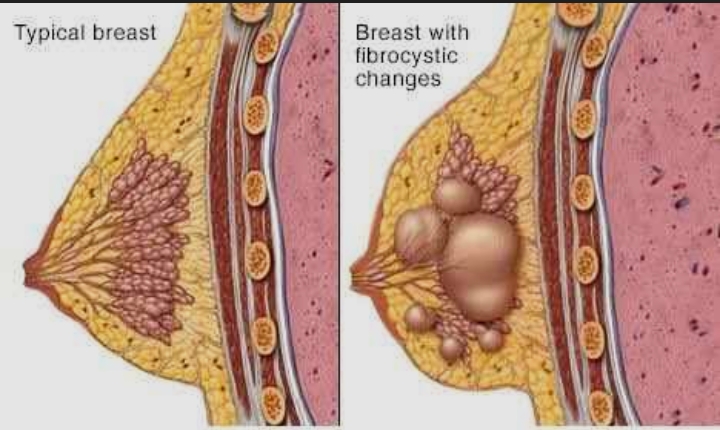
A breast lump is a swelling, growth, or mass that develops in the breast tissue. Not all breast lumps are cancerous. In fact, many lumps are caused by harmless conditions such as cysts, infections, or hormonal changes.
Medical science has developed several technologies to help doctors examine breast lumps, including:
Ultrasound scans – use sound waves to create images of breast tissue.
Mammography – an X-ray imaging technique used to detect breast abnormalities.
Biopsy – a medical procedure where a small sample of tissue is taken for laboratory testing.
Early detection is very important because it helps doctors diagnose and treat breast conditions before they become serious.
Regular self-examination, awareness, and access to modern medical technology are key factors in protecting breast health.


