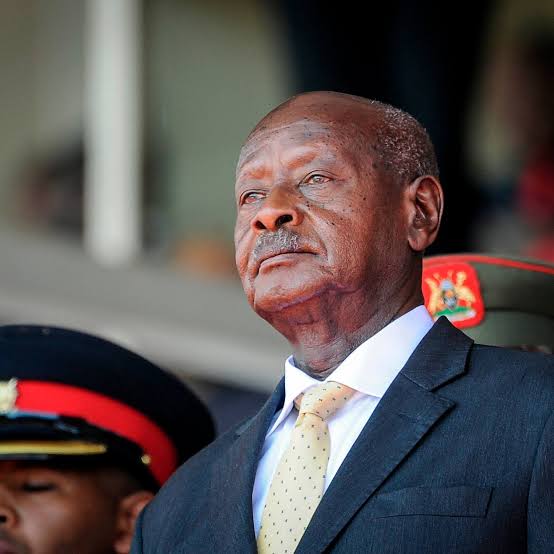
Uganda’s President Yoweri Museveni has been sworn in for a seventh consecutive term, tightening his grip on power after nearly four decades at the helm of the East African nation.
The 81-year-old leader took the oath of office at Kololo Independence Grounds in Kampala, under an extensive security operation that saw armoured vehicles and heavily armed personnel deployed across key parts of the capital. The ceremony drew several African heads of state and government, underscoring Museveni’s enduring influence in regional politics.
Uganda’s electoral commission declared Museveni the winner with more than 70 percent of the vote in the January polls, extending his rule until at least 2031. The commission insisted the election was free and fair, dismissing allegations of fraud and intimidation.
Opposition leader Robert Kyagulanyi Ssentamu, widely known as Bobi Wine, rejected the results as “fake,” alleging ballot stuffing, voter suppression, and systematic harassment of his supporters. Wine later left the country, saying he feared for his life and claiming that state agents had plotted to “eliminate” him.
Museveni, who first seized power in 1986 as a rebel commander promising a new era of democracy and stability, is now one of Africa’s longest-serving rulers. He stands alongside leaders such as Equatorial Guinea’s Teodoro Obiang Nguema Mbasogo, Congo-Brazzaville’s Denis Sassou Nguesso, and Cameroon’s Paul Biya in the continent’s club of entrenched strongmen.
His continued rule comes as Uganda grapples with a striking generational divide. The country has one of the youngest populations in the world, and most Ugandans have never known another president. Critics argue that this concentration of power has stifled political competition and weakened institutions, while supporters credit Museveni with relative stability and economic growth.
Attention is increasingly turning to Museveni’s son, General Muhoozi Kainerugaba, a senior military figure frequently mentioned as a potential successor. His outspoken social media posts, including attacks on opposition figures, have fuelled concerns about a looming political dynasty.
Rights organisations report a worsening climate for dissent. Amnesty International has accused security forces of killing unarmed civilians during post-election unrest, while opposition politicians, including long-time government critic Kizza Besigye, have faced arrest and prosecution. A controversial Sovereignty Bill, which targets individuals and groups deemed to be advancing foreign interests, has further alarmed civil society groups who see it as a tool to silence critics and restrict foreign-funded NGOs.