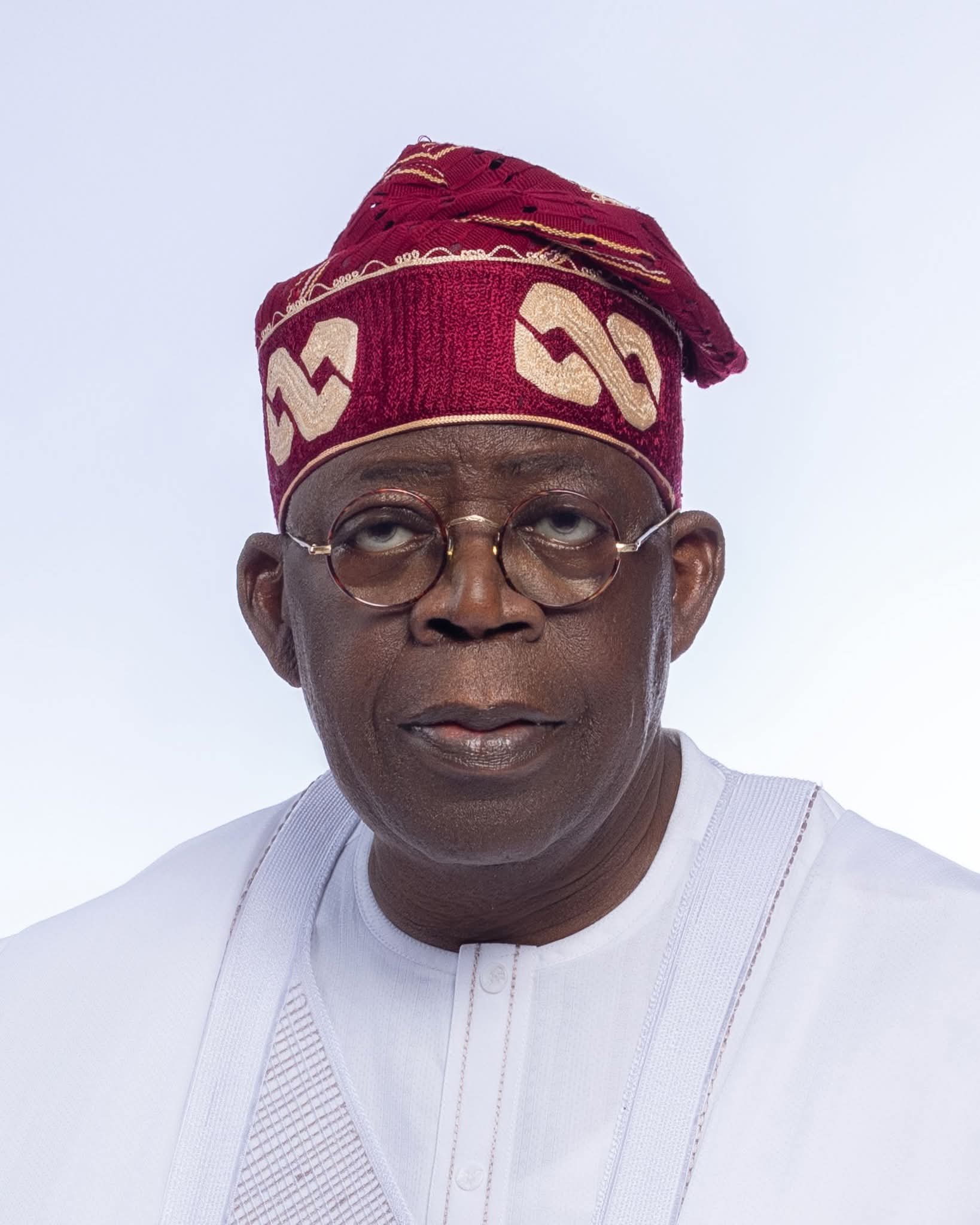
The claim that Nigerians may one day beg for a third term for President Bola Tinubu is not only premature, it is deeply troubling. It suggests a casual disregard for constitutional limits and a willingness to romanticize hardship as “bold reform.” Instead of sober analysis, it dresses up current suffering as future glory and asks citizens to suspend both memory and judgment.
Portraying Tinubu as a uniquely decisive leader who has “laid a renewed foundation of hope” ignores the lived reality of many Nigerians. Rising costs of living, worsening poverty, and persistent insecurity are not abstract statistics; they are daily experiences. To argue that these conditions are the necessary price of “tough decisions” is to demand that citizens endure pain indefinitely while being told to be grateful for it.
The suggestion that Nigerians might push for a constitutional amendment to extend Tinubu’s tenure is especially alarming. Nigeria’s two-term limit exists for a reason: to prevent the concentration of power and the slide toward authoritarianism. Inviting the idea of a third term, even hypothetically, normalizes a dangerous conversation in a country with a history of leaders testing the boundaries of constitutional order.
The glowing narrative about Tinubu’s “firm campaign against entrenched illegalities” is presented without serious scrutiny. Corruption, leakages, and institutional decay remain pervasive. Announcing reforms and actually dismantling entrenched interests are not the same thing. Praising “firmness” without demanding measurable accountability risks turning strongman posturing into a substitute for genuine governance.
The economic claims being made are even more questionable. Citing a supposed surge in foreign reserves from about one billion dollars to nearly fifty billion dollars as proof of a turnaround is, at best, misleading. Such figures demand verification, context, and independent confirmation. Without that, they sound less like analysis and more like propaganda. A temporarily stronger naira on paper does not erase the reality of food inflation, joblessness, and collapsing purchasing power.
Linking these alleged gains to policies like exchange rate unification, increased oil production, and higher foreign investment inflows also glosses over the severe short-term shocks these policies have imposed. Removing subsidies and unifying exchange rates without adequate social protection has pushed millions closer to the brink. Calling this “reform” does not change the fact that many Nigerians are worse off today than before these measures were introduced.
The praise for Tinubu’s supposed granting of financial and administrative autonomy to local governments also deserves skepticism. Autonomy on paper does not automatically translate into better governance or service delivery. Without robust oversight, transparency, and local accountability, increased allocations can simply mean more money lost to local-level corruption. Presenting this as an unquestioned success ignores the structural weaknesses that have plagued local governance for decades.
Highlighting major road projects like the Lagos-Calabar Coastal Road and the Sokoto-Badagry corridor as proof that federal policies are “touching ordinary lives” is equally selective. Grand infrastructure announcements are a familiar political tool in Nigeria. The real test is completion, quality, cost transparency, and actual impact on communities. Until those are demonstrated, using these projects to justify talk of extended tenure is premature and manipulative.
The claim that palliatives are now reaching the grassroots and improving lives is also highly contestable. Reports from across the country have repeatedly pointed to uneven distribution, politicization, and outright diversion of relief materials. To hold up palliatives as evidence of a caring and effective government, while structural poverty deepens, is to confuse emergency handouts with sustainable policy.
Invoking previous administrations that “retreated” in the face of public anger to glorify Tinubu’s refusal to back down is a rhetorical trick. It implies that any leader who listens to public outcry is weak, and that stubbornness is the same as capability. This is a dangerous standard. Democratic leadership requires responsiveness, not blind insistence on a chosen path regardless of the human cost.
The statement “You are not yet a capable leader until you make decisions and stand by them” is presented as wisdom, but it is logically shallow. A capable leader is not defined by rigidity, but by the ability to adjust policies when evidence shows they are failing or causing disproportionate harm. Standing by a bad decision is not strength; it is negligence.
Framing Tinubu’s unpopular measures as proof that he is a reformer whose “next phase” will bring stability is speculative at best. Nigerians are being asked to accept present suffering on the promise of a future that has not materialized and may never do so. This is not economic logic; it is political wishful thinking.
Most troubling of all is the attempt to plant the idea that Nigerians themselves will one day demand a third term. This shifts the burden of constitutional violation onto the people, as if they will be the ones begging to weaken their own safeguards. It is a preemptive excuse for overreach, wrapped in the language of popular demand.
Instead of floating fantasies about extending Tinubu’s tenure, the focus should be on whether his government is delivering on its current mandate within the existing constitutional framework. Nigerians do not need lectures about “bold leadership” from the comfort of a palace; they need policies that reduce hardship, strengthen institutions, and respect democratic limits.
Talk of a third term at this stage is not just inappropriate; it is an insult to citizens who are still struggling to survive the consequences of the very policies being praised. Before anyone suggests rewriting the constitution for the sake of one man, they should first confront the reality on the ground and answer a simple question: has life actually improved for the majority of Nigerians, or are they merely being asked to endure more in the name of a leader who “stands by his decisions”?