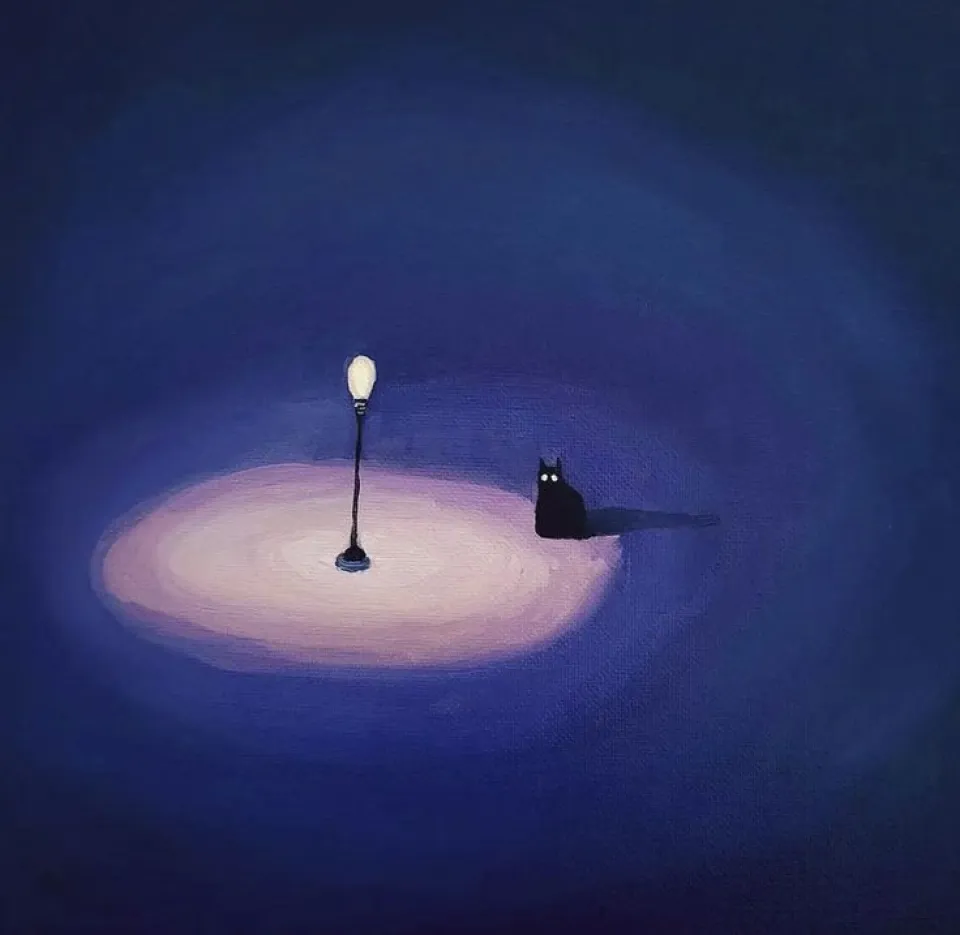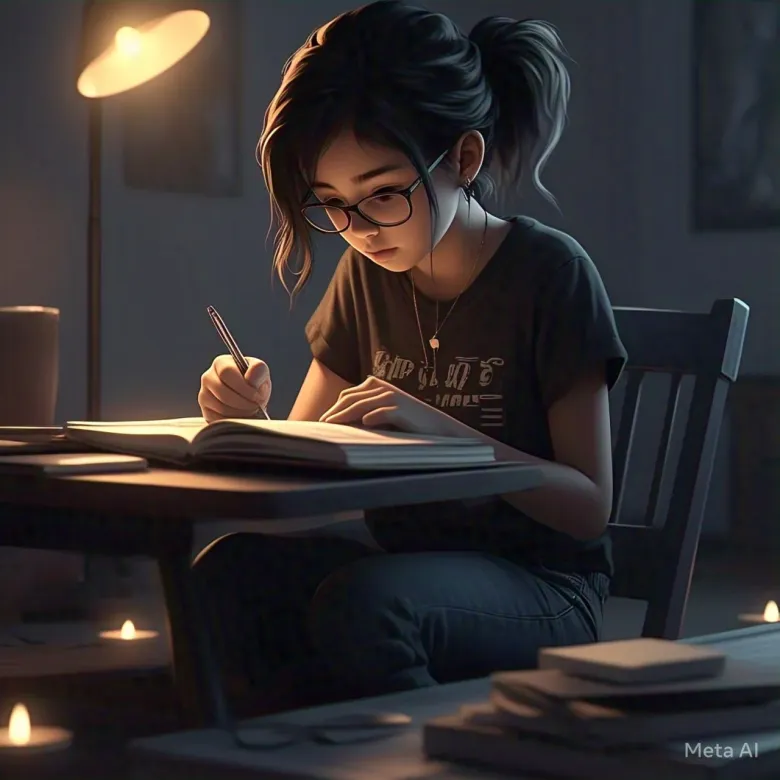
Lina had always known that words had power. They danced in her mind like fireflies, lighting up the darkness of her small, quiet world. But in her home, writing was forbidden.
Her family believed in work that bore visible results—farming, tailoring, or anything that put food on the table. Stories, poetry, and letters were seen as distractions, luxuries for those who had the time to waste. Her father often said, “Books don’t feed you, and dreams don’t pay debts.”
But Lina couldn’t ignore the stories that whispered in her soul. At night, when the house fell silent, she would press scraps of cloth between the pages of her only hidden notebook to muffle the sound of her pen scratching against the paper.
Her mother caught her once, pulling the notebook from beneath her mattress. “Lina,” she whispered, her voice full of both fear and disappointment. “Do you want to shame this family?”
Shame. That word stung. But how could something that made her feel alive be shameful?
Determined but cautious, Lina found ways to write in secret. She scribbled poems on the back of old newspapers, carved sentences into the damp earth with sticks, and whispered stories to the wind when no one was listening. Her words had no audience, yet she wrote as if the whole world would one day hear her.
One afternoon, a traveling teacher visited their village, gathering children for a small outdoor lesson. Lina’s parents wouldn’t let her attend, but she hid behind a tree, listening to every word. The teacher spoke of a national writing competition, urging young minds to submit essays about their dreams.
That night, Lina took a risk. She wrote her essay on the only blank pages she had—torn from the back of an old cookbook—and, with her heart pounding, asked a neighbor to mail it.
Weeks passed, and Lina almost forgot about the competition. Then, one evening, a letter arrived, marked with an official seal. Her parents, confused, handed it to her. With trembling hands, she unfolded the paper and read the words aloud:
“Congratulations, Lina. Your essay has won first place.”
Silence filled the room. Her father’s face was unreadable. Her mother gripped the edges of her apron. But then, her younger brother clapped, and suddenly, the air shifted.
The village school invited Lina to read her essay aloud. At first, her parents refused to let her go, but as the town elders praised her talent, something softened in their stance. Perhaps, they realized, words could hold value after all.
Standing before the crowd, Lina’s voice shook, but she spoke anyway. She spoke of dreams, of resilience, of writing in secret because she had no choice. She spoke of how words could shape a life, even when written in the shadows.
That night, her father placed a small gift on her bed—an old, leather-bound journal. He said nothing, but to Lina, it was an unspoken truce.
She had written against silence. And she had won.