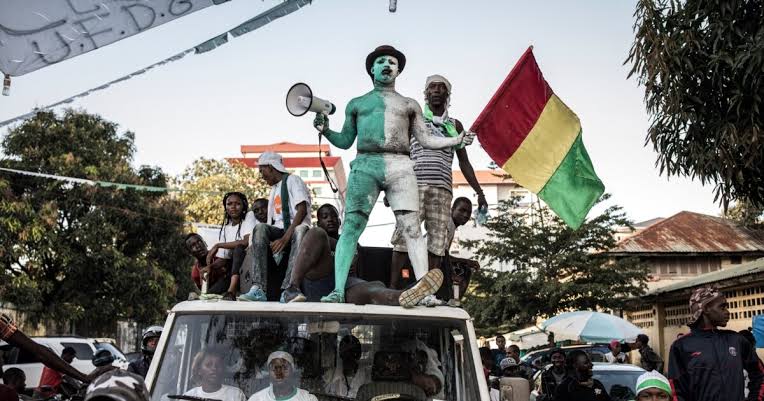
Vote counting is underway across Guinea after closely watched legislative and municipal elections that many see as a decisive test of the country’s troubled transition back to civilian rule.
The polls are the first nationwide vote since the military coup that swept Colonel Mamadi Doumbouya to power and later paved the way for his election to a seven-year presidential term. Around seven million Guineans were eligible to choose 147 members of parliament as well as local representatives, in a process the authorities have billed as a milestone on the road to democratic consolidation.
Yet the atmosphere at many polling stations suggested a more muted public response. Observers reported low turnout in the capital, Conakry, and in the central city of Labe, despite an orderly campaign and largely peaceful voting day. The timing, coming just after the Eid al-Adha holiday when many citizens travel or focus on family gatherings, appeared to dampen participation.
For some first-time voters, the ballot offered little sense of choice. “I don’t even know who to vote for,” said 18-year-old Mariatou Diallo as she emerged from a polling station in a Conakry suburb. Nearby, 23-year-old student Alassane Barry admitted he did not recognize any of the names on the lists, describing the contenders as “unknown figures.”
The dominance of pro-government candidates was no accident. Earlier this year, the authorities dissolved several major opposition parties, sharply narrowing the field. One of the few remaining opposition forces, the Democratic Front of Guinea, or Frondeg, which finished second in the last presidential race, complained of intimidation. The party said its candidate in the central town of Mamou, Abdoulaye Bademba Diallo, was attacked in a restaurant by two hooded men on a motorcycle on the eve of the vote.
Critics of the process called for a boycott, denouncing what they described as an “electoral farce” designed to entrench a “new dictatorship.” They point to a broader crackdown under Doumbouya’s rule: the suspension of numerous parties, a blanket ban on protests, and the arrest or disappearance of opposition and civil society figures, along with reported abductions of their relatives.
The Institute for Studies and Security has warned that Guinea’s political architecture risks being “dominated by a single force,” a concern that will only intensify if the final results confirm the near-total control of the presidential camp.