The United States, Canada and Mexico, co-hosts of the upcoming World Cup, have announced a joint plan to align Ebola-related travel measures for fans arriving from the Democratic Republic of Congo and other African countries affected by the ongoing outbreak.
Officials in Washington and Ottawa have already introduced restrictions on travelers who have recently been in the DR Congo, Uganda or South Sudan, requiring additional health screening and, in some cases, temporary limits on entry. Mexico has stepped up screening at major international airports and is asking some passengers arriving from high-risk areas of the DRC to undergo quarantine and monitoring by health authorities.
Public health agencies in the three North American countries say the coordinated approach is designed to reduce confusion for travelers and close potential gaps in disease surveillance as millions of fans move across borders for the tournament. The measures include shared risk assessments, standardized health questionnaires, and protocols for isolating and testing anyone who shows symptoms consistent with Ebola.
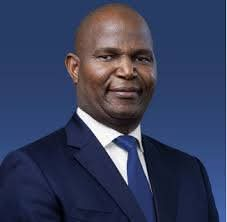
The strategy has drawn sharp criticism from African health leaders. Jean Kaseya, director of the Africa Centres for Disease Control and Prevention, has condemned the restrictions as disproportionate and economically damaging for countries already struggling to contain the virus. He argues that blanket travel measures risk stigmatizing entire regions and undermining confidence in African public health systems.
Kaseya has also voiced frustration with governments that pledged financial support to help tackle the outbreak but have yet to deliver. He has warned that he is prepared to publicly identify countries that fail to honor their commitments, saying that delayed funding slows down vaccination campaigns, contact tracing and the deployment of medical teams to affected communities.
Health experts are divided over the impact of travel restrictions. Some epidemiologists say targeted screening and temporary limits on entry can buy time for host nations to prepare hospitals and laboratories, especially during a mass event like the World Cup. Others argue that resources would be better spent reinforcing outbreak control at the source, rather than focusing on a relatively small number of international travelers.
For now, fans from affected countries face a more complex journey to the World Cup, navigating additional paperwork, health checks and possible quarantine, as North American hosts attempt to balance global solidarity with domestic political pressure to keep Ebola out.