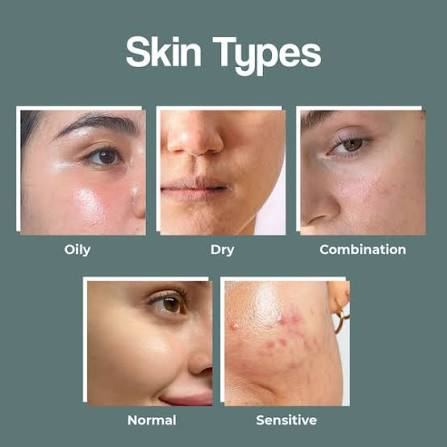
Understanding your skin type is one of the first steps to building a skincare routine that actually works for you. After all, the products that work beautifully for someone else may not necessarily work for your skin.
The good news? You don't need an expensive consultation to get a basic idea of your skin type. You can start by observing how your skin behaves naturally.
🧴 1. Start With a Clean Face
Wash your face with a gentle cleanser and rinse thoroughly. Don't immediately apply moisturiser, serum, oil, or any other skincare product.
Leave your skin alone for about 30–60 minutes and observe how it feels and looks.
✨ 2. If Your Skin Feels Tight or Flaky…
You may have dry skin.
Dry skin tends to produce less natural oil, which can leave the face feeling tight, rough, flaky, or uncomfortable, particularly after cleansing.
Your skin may benefit from gentle cleansers and moisturising products that help support the skin barrier.
💧 3. If Your Entire Face Looks Shiny…
You may have oily skin.
Oily skin produces more sebum, which can make the face appear shiny or greasy. Some people with oily skin are also more prone to clogged pores and breakouts.
The goal isn't to remove every trace of oil. Over-cleansing can actually leave your skin feeling irritated.
🌸 4. If Some Areas Are Oily and Others Are Dry…
You may have combination skin.
A common pattern is an oily forehead, nose, and chin—the T-zone—while the cheeks feel normal or dry.
Combination skin often requires a balanced routine rather than treating the entire face as extremely oily or extremely dry.
🌿 5. If Your Skin Feels Comfortable and Balanced…
You may have normal skin.
Normal skin generally has a balanced amount of oil and moisture and may not experience significant dryness or excessive oiliness.
That doesn't mean it never gets pimples, irritation, or other concerns. Normal skin can still experience temporary changes.
🤍 What About Sensitive Skin?
Sensitive skin is slightly different from the categories above.
You can have oily, dry, combination, or normal skin and have sensitive skin.
If your skin frequently stings, burns, becomes unusually red, or reacts easily to certain products, you may have sensitive skin.
In that case, introduce new products gradually and consider choosing gentle, fragrance-free formulations.
🔄 Remember: Your Skin Type Can Change
Your skin isn't permanently locked into one category.
Age, hormones, weather, stress, medication, skincare products, and environmental conditions can all affect how your skin behaves.
So instead of constantly chasing what is trending, pay attention to what your own skin is telling you.
Know your skin. Understand its needs. Then build your routine around it. ✨