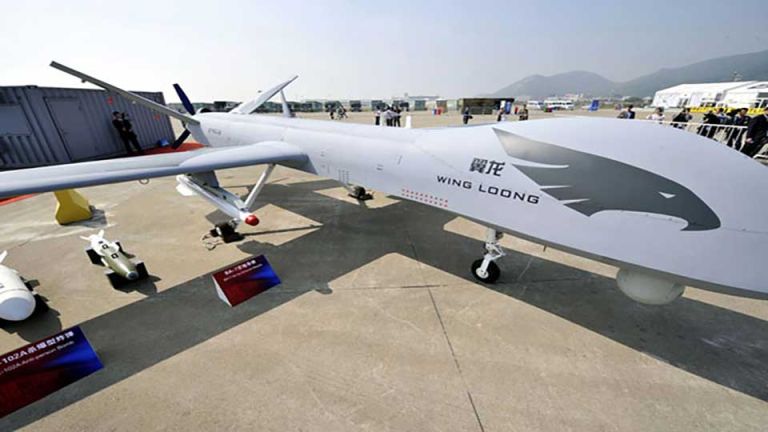
The twenty-two coffins were arranged in a long, unbroken line, their polished wood catching the pale light as crowds pressed forward in silence. In Goma, the capital of North Kivu in eastern Democratic Republic of Congo, residents gathered to mourn civilians killed in a drone strike that the Rwanda-backed M23 rebel movement blames on Congolese government forces.
Relatives clutched framed photographs and scraps of official papers, the only tangible proof of lives abruptly cut short. Women wailed and beat their chests, some collapsing beside the coffins as religious leaders and rebel officials tried to maintain order. The ceremony, described by M23 as a symbolic burial, was both a funeral and a political statement, staged in territory under the group’s control.
Among the mourners was Mireille Kasole, who struggled to speak as she described the loss of her younger sister. She said her sister had travelled to Masisi, a territory west of Goma, in search of work and safety away from the front lines. Instead, she became one of the victims of the strike that hit an area crowded with displaced people and local residents.
“We lost comrades, friends, loved ones. My little sister died too. She had gone to Masisi to work, and then she died there,” Kasole said, standing near the row of coffins. Around her, other families nodded, each with their own version of the same story: flight from violence, only to be killed by it.
M23 officials used the funeral to sharpen their accusations against Kinshasa. Corneille Nangaa, a senior political coordinator for the movement and a former national election chief who has broken with the central government, addressed the crowd in harsh terms. He accused President Félix Tshisekedi and what he called a “tribal regime” of ordering or authorizing the drone strike without regard for civilian lives.
“He killed without seeing, he killed without hearing the cries, he killed without distinguishing between the enemy and the innocent,” Nangaa declared, gesturing toward the coffins. His speech drew applause from some in the crowd and visible discomfort from others, who had come primarily to mourn rather than to endorse any side in the conflict.
The Congolese government has not acknowledged responsibility for the strike. Officials in Kinshasa have repeatedly denied targeting civilians and insist that any use of drones is aimed at what they describe as “terrorist” positions. Independent verification of the incident remains difficult. Access to front-line areas is restricted, and competing narratives from the army, M23, and local authorities often clash, leaving families to navigate a fog of claims and counterclaims.
The drone strike and the funeral that followed are part of a broader, grinding war that has reshaped life in eastern Congo. M23, which Congolese authorities and United Nations experts say is backed by neighboring Rwanda, has seized and held large swathes of North Kivu, tightening a ring around Goma and cutting key supply routes. Rwanda denies commanding the group, but evidence of logistical and military support has been repeatedly documented by international investigators.
More than 100 armed groups operate across eastern Congo, from long-standing local militias to foreign rebel movements that have embedded themselves in the region’s forests and mining zones. The competition for control of land and lucrative deposits of gold, coltan, tin, and other minerals has fueled cycles of violence that stretch back decades. Civilians are routinely caught between government forces, foreign-backed rebels, and community-based militias that claim to defend their own ethnic or local interests.
The humanitarian toll is staggering. According to the United Nations refugee agency and other humanitarian organizations, more than 7 million people are currently displaced within Congo, the vast majority of them in the east. Camps and informal settlements have mushroomed around Goma and other urban centers, where families live under plastic sheeting, dependent on sporadic aid deliveries and vulnerable to disease, hunger, and renewed attacks.