Abdul yusuf oluwatimilehin
U25MM1052
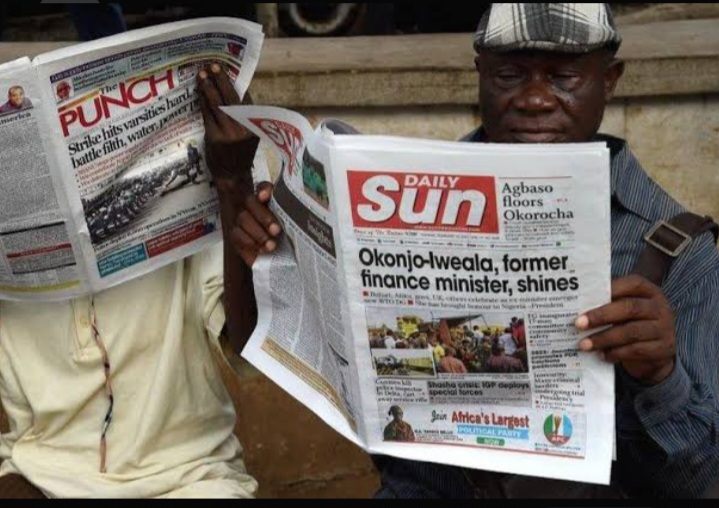
Every democratic society depends on an informed public, and the press serves as the bridge between the government and the people. Often referred to as the watchdog of democracy, the press monitors those in power, informs citizens about public affairs, and promotes transparency and accountability.
Every day, governments make decisions that affect millions of people. But who keeps an eye on those in power? The answer lies with the press. A powerful institution often described as the fourth arm of government because of its role in promoting accountability, transparency, and democracy.
The press is one of the most influential institutions in any nation. Through newspapers, radio, television, and digital media, journalists report events, investigate corruption, and give citizens the information they need to make informed decisions. In a democratic society like Nigeria, the media plays a crucial role in ensuring that government officials remain accountable to the people. According to the chief executive officer of Daily Times and Folio Media Group, Mr Fidelis Anosike, he stated, “media is the reason Nigeria still stands today."
Nigeria has witnessed several instances where the press exposed issues of public concern. Investigative reports by Nigerian media organisations have uncovered cases of corruption, financial mismanagement, and abuse of public office, leading to public debates and, in some cases, government investigations. During elections, the media also provides citizens with information about candidates, political parties, and electoral processes, helping voters make informed choices.
The Nigerian press has also been instrumental in promoting civic awareness. Through programmes on radio and television, newspaper editorials, and online publications, the media educates the public on issues such as elections, insecurity, public health, education, and economic policies. During the COVID-19 pandemic, for example, Nigerian media organisations worked closely with health authorities to disseminate information on preventive measures and government guidelines.
Despite its importance, the press in Nigeria faces several challenges. Journalists sometimes experience intimidation, harassment, censorship, and limited access to information while carrying out their duties. The spread of fake news and misinformation through social media has also made it more difficult for professional journalists to maintain public trust.
Nevertheless, the press remains an essential pillar of Nigeria's democracy. By informing citizens, exposing wrongdoing, encouraging public participation, and demanding accountability from those in authority, the media continues to strengthen democratic governance. A free, responsible, and independent press is not only beneficial to journalists but also to every Nigerian who desires justice, transparency, and good governance.