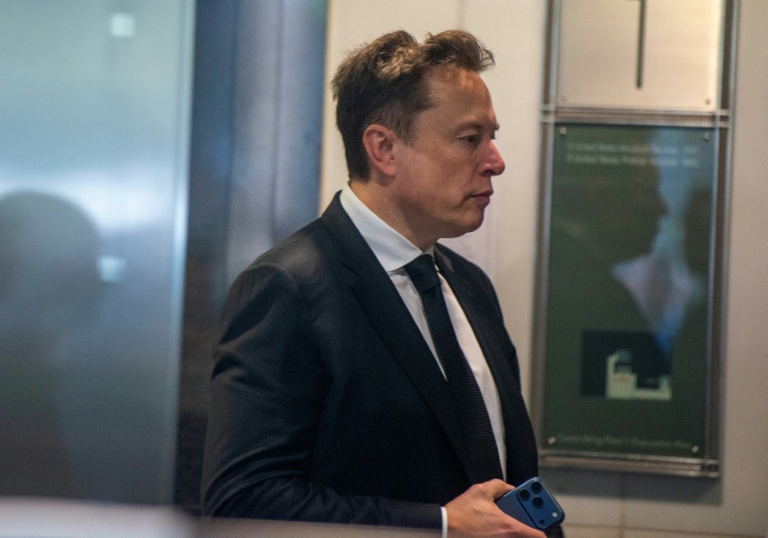
Testifying in a closely watched trial over the future of the artificial intelligence pioneer, Musk said he envisioned OpenAI as a nonprofit bulwark against the concentrated power of big tech, not a vehicle for private enrichment. He told the court he proposed the concept, coined the name, recruited early talent and bankrolled the initial phase of the organisation.
Musk argued that co-founder Sam Altman and president Greg Brockman ultimately abandoned that founding vision. In his account, OpenAI’s transformation into a powerful, profit-oriented enterprise represented not just a personal betrayal but a broader threat to public trust in philanthropy.
“If we make it OK to loot a charity, the entire foundation of charitable giving in America will be destroyed,” Musk said, insisting that OpenAI was “specifically meant to be for a charity that does not benefit any individual person.”
OpenAI’s legal team painted a starkly different picture. They contended that Musk himself had once advocated for a for-profit structure to secure the vast capital required for cutting-edge AI research, and that his lawsuit emerged only after he failed to gain control over the organisation’s direction.
“What he cares about is Elon Musk being on top,” one OpenAI lawyer told the court, arguing that the dispute is rooted less in principle than in power and influence over a transformative technology.
Musk’s lawyers countered that the decisive break came as OpenAI attracted major outside investment, particularly from Microsoft. They said the influx of money shifted the leadership’s priorities toward commercial gain, undermining the original nonprofit charter and public-benefit mission.
The billionaire is seeking roughly 150 billion dollars in damages and wants OpenAI reoriented as a true nonprofit, with Altman and Brockman removed from leadership. Musk has said any financial award would be directed to OpenAI’s charitable arm rather than to him personally.
The case, overseen by Judge Yvonne Gonzalez Rogers, has also spilled into the online arena. She cautioned Musk over his social media attacks on Altman, prompting both men to agree to curb public commentary while proceedings continue.
Beyond the courtroom drama, the trial has become a proxy battle over the soul of the AI industry: whether frontier systems should be governed primarily as public infrastructure or as commercial products. With OpenAI expanding rapidly, drawing heavy investment and exploring new corporate structures, the outcome could shape how future AI powerhouses balance profit with responsibility.