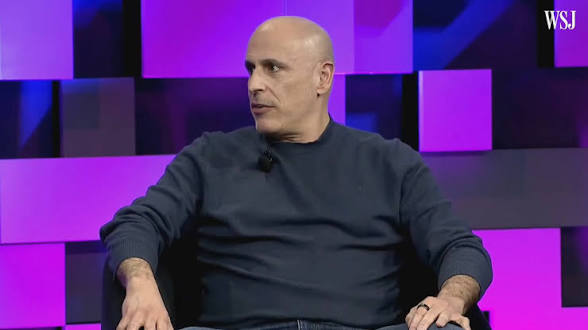
Marc Lore, the serial entrepreneur who sold Jet.com to Walmart and Diapers.com to Amazon, is betting that artificial intelligence will do for restaurants what Shopify did for online retail. His latest company, Wonder, is building a system that he claims will let almost anyone spin up a restaurant brand in less than a minute.
The initiative, called Wonder Create, sits on top of Wonder’s network of “programmable cooking platforms” — compact, tech-heavy kitchens that can run dozens of virtual restaurant concepts from a single location. Wonder currently operates more than a hundred of these sites and plans to expand to hundreds more, effectively creating a distributed, AI-directed food production grid.
Here is how Lore says it will work. An aspiring restaurateur, influencer, or brand types a prompt into Wonder’s software describing the kind of restaurant they want: cuisine, vibe, health profile, price point. AI then generates the full concept almost instantly, including the name, branding, menu descriptions, imagery, pricing, nutritional information, and recipes. The creator can refine the concept with additional prompts, then push it live across Wonder’s kitchens, which handle cooking and delivery.
Behind the scenes, those kitchens rely on a standardized library of hundreds of ingredients, automated equipment such as conveyors and robotic arms, and increasingly sophisticated software to ensure consistency. By tightly controlling the environment and workflow, Wonder aims to avoid the quality problems that plagued earlier ghost-kitchen experiments, where the same brand could taste wildly different from one location to another.
Lore envisions a long tail of food brands emerging from this system. A chef could test new dishes before committing to a physical restaurant. Fitness coaches might launch custom bowl concepts tailored to their clients. Nonprofits could create mission-themed menus. Entertainment companies could roll out limited-time restaurants tied to new releases. In theory, anyone with an idea and an audience could have a restaurant without owning a single stove.
The economics depend on scale and automation. Lore argues that as robotics and software improve, each 2,500-square-foot kitchen will be able to produce tens of millions of meals a year without adding staff, while hosting hundreds of distinct restaurant brands under one roof.
Whether consumers will embrace a world where restaurants are as easy to create as websites remains uncertain. But Lore is wagering that AI-designed menus, robot-assisted kitchens, and a flexible virtual-brand model can finally make the ghost-kitchen dream work at scale.
.jpeg?alt=media&token=96b327a5-8e62-4ed1-a078-308aff149ed1)