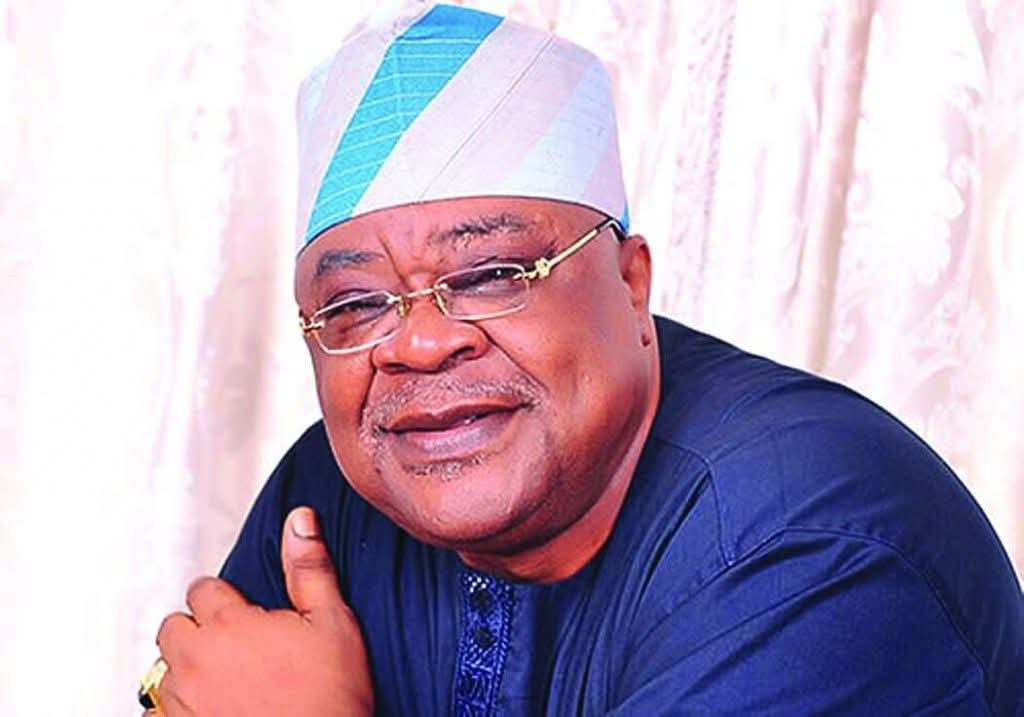
The widow of a former Oyo State governor, Chief Mrs Oluwakemi Alao-Akala, has renewed calls for sustained support for Nigerians living with disabilities, declaring that physical impairment must never be mistaken for a lack of potential.
She made the appeal during an outreach visit to the Nigeria Training Centre for the Blind and the Oyo State Special Basic School in Ogbomoso North Local Government Area, where she delivered food items and essential learning materials to visually impaired pupils.
The donations included bags of rice, beans and maize, kegs of palm oil, spaghetti, sanitary pads, toiletries, typing sheets and cardboard materials used for Braille and classroom work. School officials had earlier submitted a list of priority needs to guide the intervention.
Alao-Akala described the visit as part of her regular monthly efforts to support vulnerable groups, explaining that she is committed to easing the burden on families and institutions caring for children with special needs. She also disclosed plans to provide new uniforms for the pupils once tailors complete their measurements.
Reflecting on her late husband’s years in office, she linked social responsibility to public accountability, noting that leaders would ultimately answer for how they used their positions. She urged Nigerians to pray for those in authority, arguing that effective leadership requires both wisdom and public support.
Addressing the pupils directly, she encouraged them to speak positively about their lives and future, insisting that their visual impairment should not define their aspirations or achievements.
The Headmistress of Oyo State Special Basic School, Mrs Oyedokun Janet Olabimpe, welcomed the gesture but appealed for increased government funding. She said the school, which currently caters for 82 primary pupils, many in boarding facilities, struggles to meet feeding, welfare and learning needs from its limited allocation.
She explained that running a special school is costlier than a conventional one because of the need for adapted materials, specialised teaching aids and additional care for pupils who have no family support.
A special educator at the centre, Mr Ogunleke Simeon, said the institution runs primary, secondary and vocational programmes for between 80 and 98 learners, focusing on Braille literacy, typing, computer skills and safe mobility. He noted that many graduates have gone on to obtain higher degrees and build professional careers, reinforcing the message that disability does not erase ability.
He, however, highlighted persistent challenges, including the high cost of Braille machines, guide canes and talking software, as well as an abandoned three-classroom block that has remained uncompleted for about 15 years. He added that the current feeding provision of N300 per child per day is inadequate in the prevailing economic climate, urging philanthropists and corporate bodies to complement government efforts.